
Modern Paris: Contemporary Art and Architecture is a guide to the capital’s boldest ideas - where playful perception, radical design, and world-class collections reveal a city that’s as forward-looking as it is historic. Across gallery spaces, immersive installations, and headline-making buildings, you’ll trace how Paris continually reinvents the way we see, move, and make meaning, from pop-ready visual tricks to landmark statements in steel, glass, and concrete.
This itinerary is for curious first-timers and seasoned Paris lovers alike: art fans chasing major modern collections, architecture pilgrims seeking foundational masterpieces, families and friends who want hands-on experiences, and photographers looking for graphic lines and surprising angles. Taken together, these stops form a cohesive story of modernity - how innovation in form and structure parallels new ways of exhibiting culture - offering a satisfying mix of central city energy and a worthwhile hop beyond Paris for a defining modernist vision.
Highlights

Step into a sleek labyrinth of optical-illusion rooms where bold graphics and hands-on science scramble your senses - an irresistibly photogenic stop for curious minds of any age.
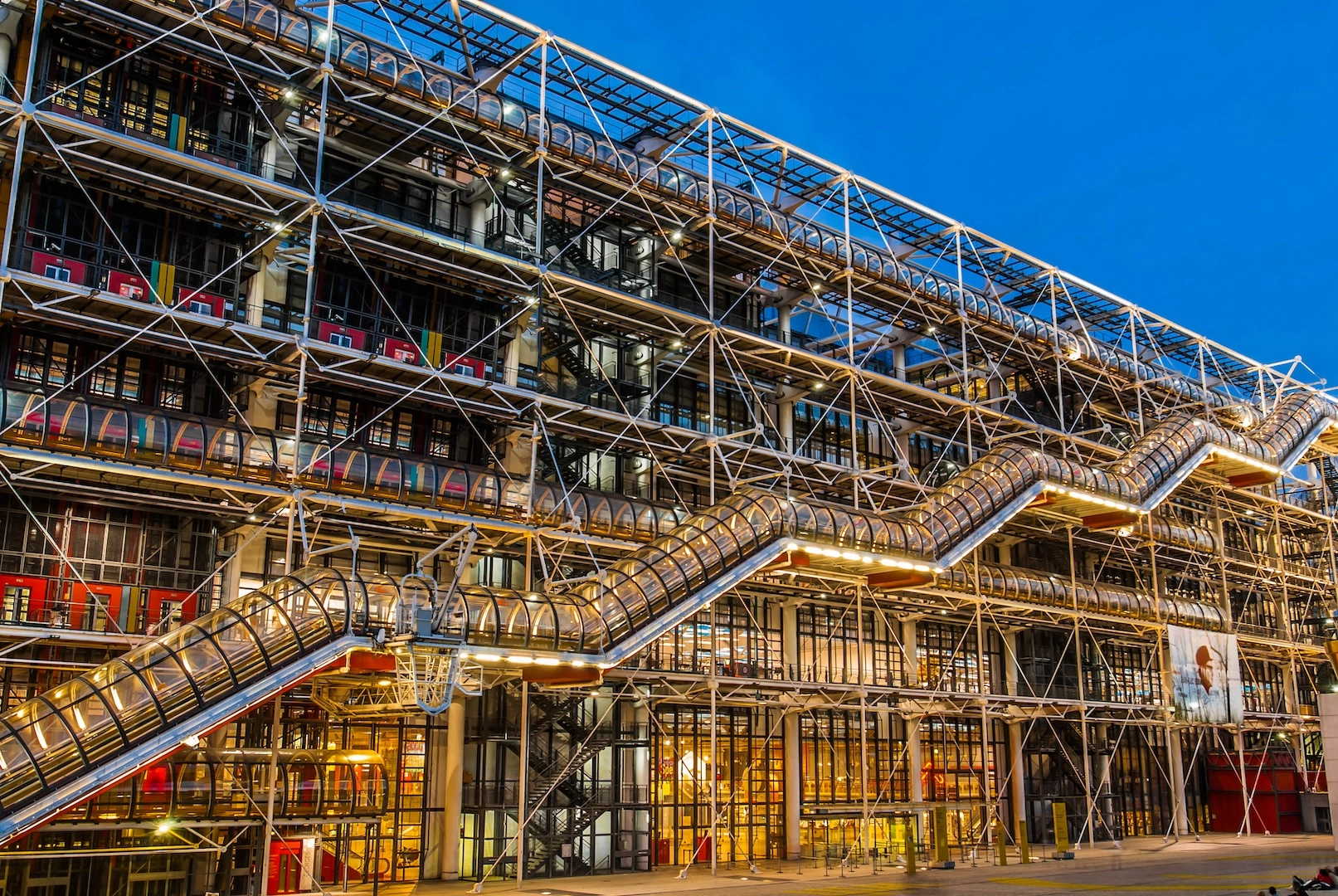
Paris’s iconic inside-out building turns pipes and escalators into spectacle, while inside you’ll find one of Europe’s great modern-art collections plus ever-buzzy exhibitions and performances.
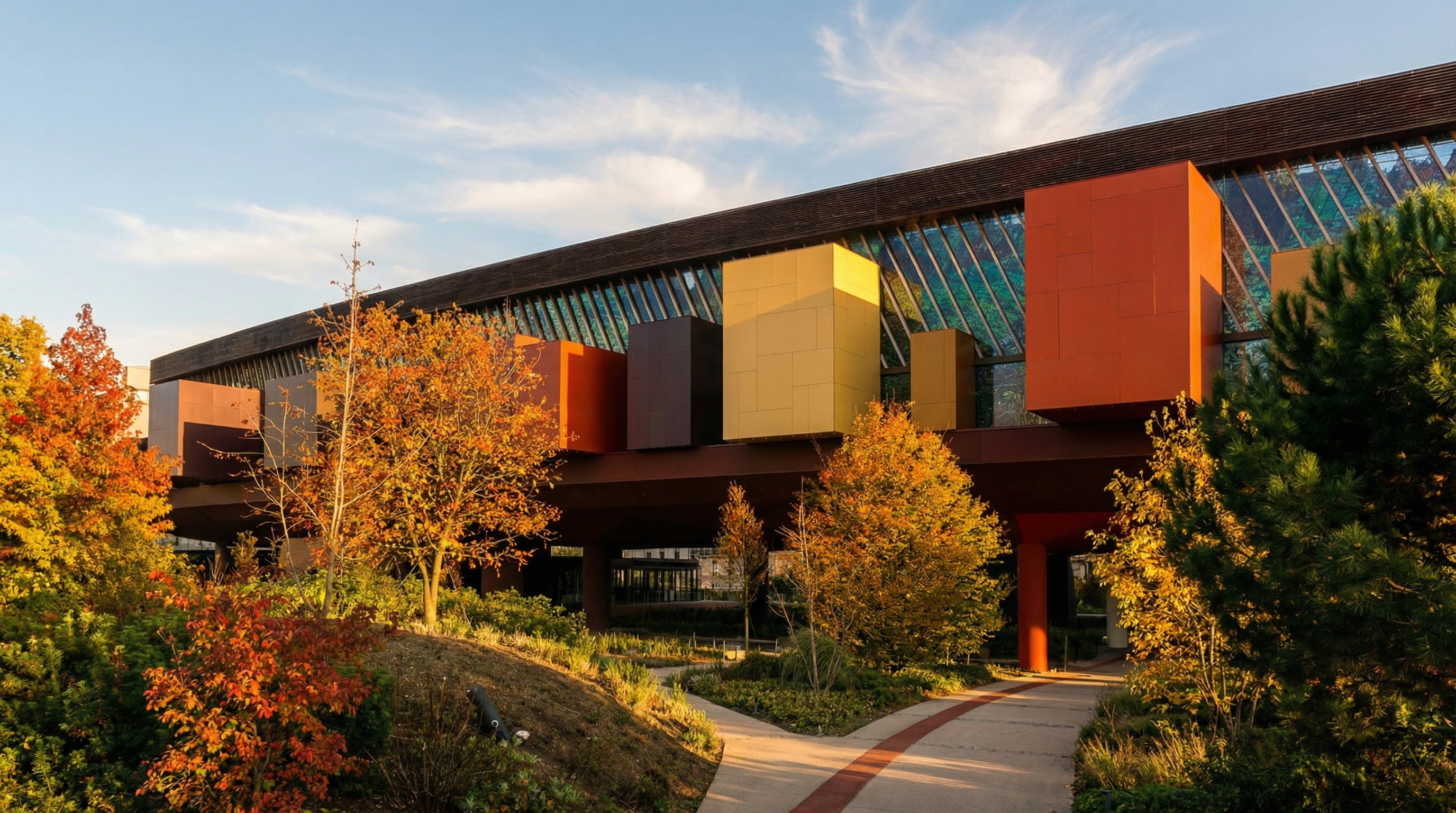
Jean Nouvel’s riverside museum - wrapped in a living vertical garden - draws you through immersive galleries of Indigenous arts from across the world, offering a powerful counterpoint to Eurocentric Paris.
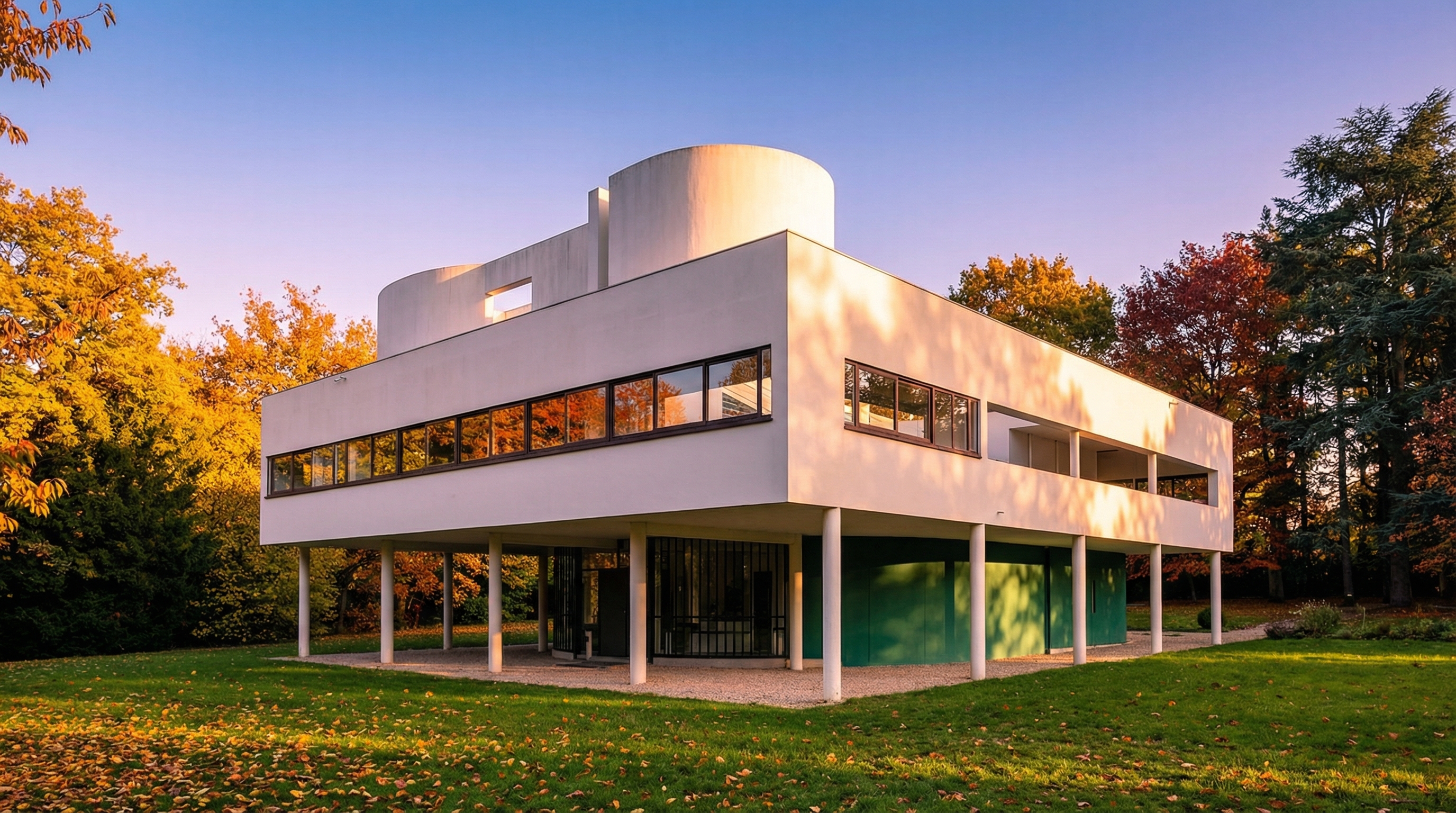
A short trip to Poissy brings you to Le Corbusier’s pure white modernist icon, where pilotis, ribbon windows, and a roof garden make architecture feel like a manifesto you can walk through.
Step into a sleek labyrinth of optical-illusion rooms where bold graphics and hands-on science scramble your senses - an irresistibly photogenic stop for curious minds of any age.
Paris’s iconic inside-out building turns pipes and escalators into spectacle, while inside you’ll find one of Europe’s great modern-art collections plus ever-buzzy exhibitions and performances.
Jean Nouvel’s riverside museum - wrapped in a living vertical garden - draws you through immersive galleries of Indigenous arts from across the world, offering a powerful counterpoint to Eurocentric Paris.
A short trip to Poissy brings you to Le Corbusier’s pure white modernist icon, where pilotis, ribbon windows, and a roof garden make architecture feel like a manifesto you can walk through.
Suggested Order
Villa Savoye
Start with the farthest, time-bound Poissy excursion in the morning to avoid rush-hour trains and maximize energy for this architecture pilgrimage.
The Quai Branly Museum
Back in central Paris, this near-Eiffel Tower museum is a manageable mid-day visit that flows well after travel and before bigger crowds build.
Centre Pompidou
Schedule the largest, most demanding collection for the afternoon when you can linger through galleries and enjoy golden-hour views from the area.
Paradox Museum Paris
End with a lighter, playful indoor stop near Opéra - ideal as an evening wind-down and often easier to time around later-entry slots.
Plan Your Route
Select Attractions
Transport Mode
Getting Around
From Poissy station take RER A to Charles de Gaulle - Étoile, then Metro line 6 to Bir-Hakeim; walk 10 minutes along the Seine toward the Eiffel Tower for Musée du quai Branly.
Walk to Alma - Marceau (Line 9) and ride to Franklin D. Roosevelt, change to Line 1 to Hôtel de Ville, then follow signs to “Centre Pompidou” (about a 7 - 10 minute walk).
From Rambuteau (Line 11) go to Arts et Métiers and change to Line 3 to Opéra; use the “Opéra / Avenue de l’Opéra” exit and walk toward Place Vendôme area to reach the museum.
Best Time to Visit
Paradox Museum Paris
Best time: Weekday early morning at opening (first 30 - 60 minutes)
Avoid: Weekend mid-afternoon (about 2 - 5 pm) and school-holiday days, when timed-entry slots sell out, queues form at photo rooms, and you’ll wait to retake shots without people in frame
Arriving right at opening keeps the illusion rooms moving quickly and gives you cleaner photos before the Instagram crowd builds.
Centre Pompidou
Best time: Late afternoon on a weekday (about 4 - 6 pm), when earlier tour groups thin out and light is often best for city views from upper levels
Avoid: First Sunday of the month and rainy weekend late mornings/early afternoons, when free/indoor-seeking crowds spike and security + ticket lines are longest
Going later in the day typically shortens entry and escalator bottlenecks while giving you a calmer run through the permanent collection and better skyline visibility.
The Quai Branly Museum
Best time: Early afternoon on a weekday (around 1 - 3 pm), after lunch traffic but before end-of-day clustering near the Eiffel Tower
Avoid: Summer weekends from roughly 11 am - 2 pm, when the Eiffel Tower area is at peak density and the museum’s entry and cloakroom lines can slow things down
A weekday early-afternoon visit balances manageable queues with comfortable gallery pacing and lets you enjoy the vertical garden without the heaviest Seine-side crowds.
Villa Savoye
Best time: Weekday late morning (about 10:30 am - 12 pm), ideally in clear weather for even exterior light and an unhurried interior circuit
Avoid: Weekend early afternoon (about 1 - 4 pm), when day-trippers arrive from Paris and small room capacities create stop-and-start crowding inside
Late morning on a weekday offers the best combination of soft daylight for the white façade and fewer visitors competing for the tight interior sightlines.
Paradox Museum Paris
Best time: Weekday early morning at opening (first 30 - 60 minutes)
Avoid: Weekend mid-afternoon (about 2 - 5 pm) and school-holiday days, when timed-entry slots sell out, queues form at photo rooms, and you’ll wait to retake shots without people in frame
Arriving right at opening keeps the illusion rooms moving quickly and gives you cleaner photos before the Instagram crowd builds.
Centre Pompidou
Best time: Late afternoon on a weekday (about 4 - 6 pm), when earlier tour groups thin out and light is often best for city views from upper levels
Avoid: First Sunday of the month and rainy weekend late mornings/early afternoons, when free/indoor-seeking crowds spike and security + ticket lines are longest
Going later in the day typically shortens entry and escalator bottlenecks while giving you a calmer run through the permanent collection and better skyline visibility.
The Quai Branly Museum
Best time: Early afternoon on a weekday (around 1 - 3 pm), after lunch traffic but before end-of-day clustering near the Eiffel Tower
Avoid: Summer weekends from roughly 11 am - 2 pm, when the Eiffel Tower area is at peak density and the museum’s entry and cloakroom lines can slow things down
A weekday early-afternoon visit balances manageable queues with comfortable gallery pacing and lets you enjoy the vertical garden without the heaviest Seine-side crowds.
Villa Savoye
Best time: Weekday late morning (about 10:30 am - 12 pm), ideally in clear weather for even exterior light and an unhurried interior circuit
Avoid: Weekend early afternoon (about 1 - 4 pm), when day-trippers arrive from Paris and small room capacities create stop-and-start crowding inside
Late morning on a weekday offers the best combination of soft daylight for the white façade and fewer visitors competing for the tight interior sightlines.
Budget Breakdown
| Attraction | Entry Fee | Booking | Saving Tip |
|---|---|---|---|
€27 | Required | Book online in advance to lock in the cheapest time-slot pricing (off-peak slots are often lower than peak hours). | |
€15 | Required | Free entry for EU residents aged 18 - 25 (bring ID); otherwise, booking online can help you avoid timed-entry premiums or sold-out slots. | |
€14 | — | Free for under-26s who are EU/EEA residents (with ID); if eligible, this is an easy way to cut the total to near-zero for museum days. | |
€8 | — | If you’re under 26 and an EU/EEA resident, entry is free at national monuments like Villa Savoye (carry proof of age/residency). | |
Estimated total | €64 |
Where to Eat
Practical Tips
Book timed-entry online and aim for the first slot; you’ll get cleaner sightlines for photos and fewer waits for interactive rooms.
Arrive 30 - 45 min before your slot to clear security and stash bags; large backpacks may be refused or forced into paid lockers.
Use a contactless card/phone for Métro/RER and avoid rush hour (08:00 - 10:00, 17:00 - 19:00) when transfers get slow and crowded.
Bring a light layer - galleries can run cool even in summer, and rooftop/riverfront areas can be windy.
Check the photo rules per gallery; where allowed, set your phone to 0.5x/ultrawide and use burst mode to capture perspective tricks quickly.
Skip café lines by eating a late lunch (14:00 - 15:30) nearby; many kitchens stay open and you’ll return before afternoon crowds spike.
For the suburban modernist site, go early and pair it with a weekday trip; trains are frequent, but taxis/rideshares back can be scarce.
What to Skip
The museum is small and throughput is high, so the paid fast-track often saves little time and mostly buys you a pricier entry for the same quick circuit.
Instead: Go at opening on a weekday and spend your money instead on a proper contemporary show nearby at Palais de Tokyo (short métro ride) or a ticketed exhibition at the Pompidou.
You’re mostly paying for the view - food and service are hit-or-miss, reservations are a pain, and it can eat up a big chunk of your museum day.
Instead: Walk 10 - 12 minutes to Le Marais for better-value bistros and wine bars, then come back for sunset views from the Pompidou plaza without the markup.
These bundled deals are commonly overpriced and vague on timings/seat classes, leaving you with mediocre boats and awkward schedules that don’t match the museum visit.
Instead: Book a simple, well-reviewed Seine cruise directly (or skip it) and pair Quai Branly with a calm stroll in the museum’s garden and the nearby Musée d’Art Moderne de Paris for more contemporary work.
It’s an expensive, time-wasting way to get there and back, and surge pricing can turn the visit into a budget-buster for what’s essentially a short architectural pilgrimage.
Instead: Take the RER/Transilien to Poissy and walk/bus the last stretch, or if you want modernist architecture with less hassle, visit Le Corbusier’s Maison La Roche in the 16th.
The museum is small and throughput is high, so the paid fast-track often saves little time and mostly buys you a pricier entry for the same quick circuit.
Instead: Go at opening on a weekday and spend your money instead on a proper contemporary show nearby at Palais de Tokyo (short métro ride) or a ticketed exhibition at the Pompidou.
You’re mostly paying for the view - food and service are hit-or-miss, reservations are a pain, and it can eat up a big chunk of your museum day.
Instead: Walk 10 - 12 minutes to Le Marais for better-value bistros and wine bars, then come back for sunset views from the Pompidou plaza without the markup.
These bundled deals are commonly overpriced and vague on timings/seat classes, leaving you with mediocre boats and awkward schedules that don’t match the museum visit.
Instead: Book a simple, well-reviewed Seine cruise directly (or skip it) and pair Quai Branly with a calm stroll in the museum’s garden and the nearby Musée d’Art Moderne de Paris for more contemporary work.
It’s an expensive, time-wasting way to get there and back, and surge pricing can turn the visit into a budget-buster for what’s essentially a short architectural pilgrimage.
Instead: Take the RER/Transilien to Poissy and walk/bus the last stretch, or if you want modernist architecture with less hassle, visit Le Corbusier’s Maison La Roche in the 16th.