
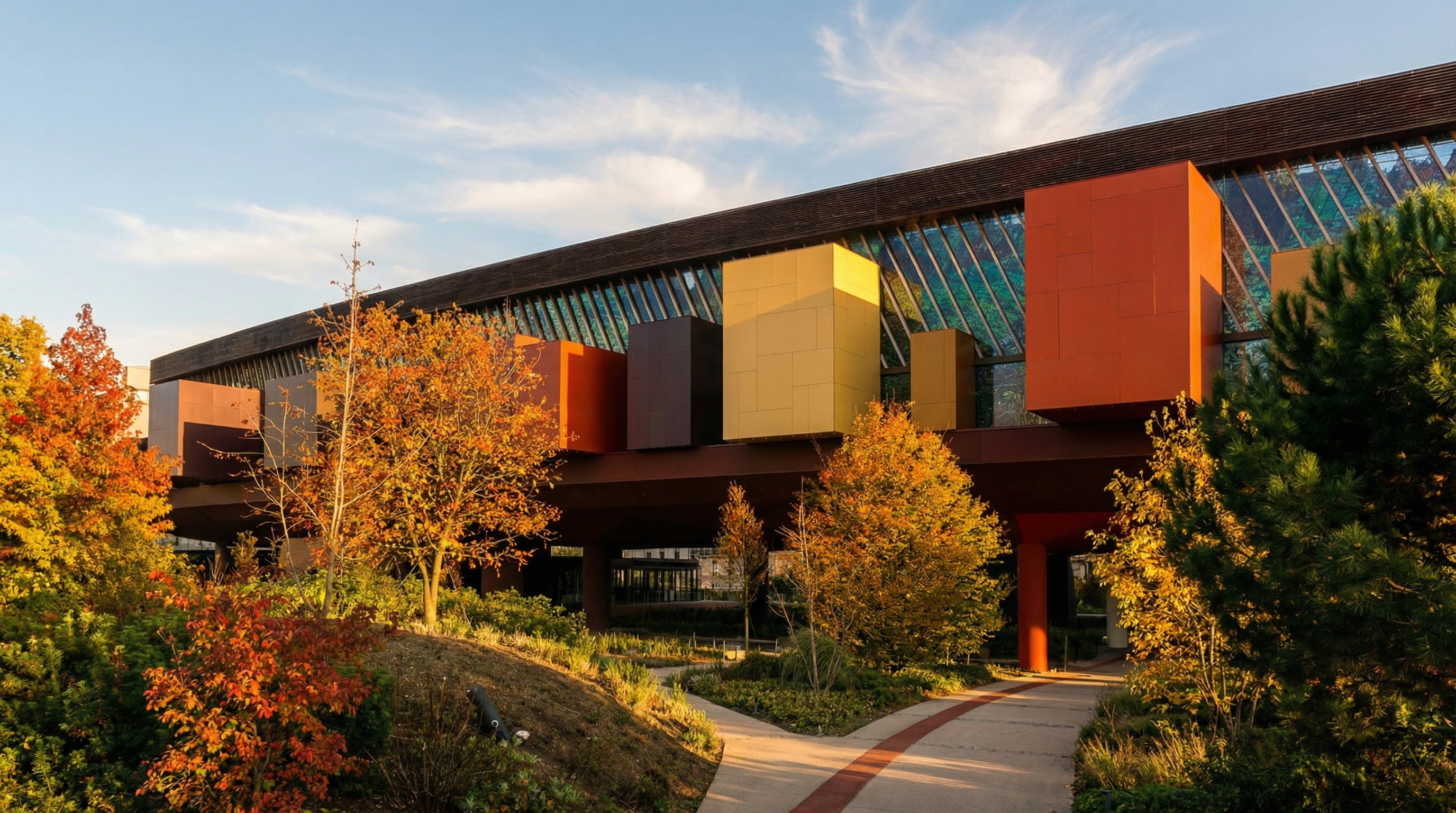
Best Time For Visit
Morning (at opening) or early evening (late opening nights)
Late spring (May - June), Early autumn (September - October)
11:00 – 15:30
When to Visit
Arriving at opening typically offers the quietest galleries, the shortest ticket/security lines, and better viewing conditions for popular permanent collections and temporary exhibitions. Early evening visits on late-opening days can also be calmer than mid-afternoon, with softer light in the museum’s garden and fewer tour groups.
Aim to be at the entrance 10 - 15 minutes before opening. If you prefer a more atmospheric visit, choose early evening during late-opening hours (when available), then finish with a walk through the garden for a scenic, less crowded end to the visit.
Seasonal Tips
These shoulder seasons generally balance comfortable temperatures with manageable crowd levels compared with midsummer. They also maximize the appeal of the museum’s outdoor garden and nearby Seine/Eiffel Tower area without the peak heat or winter chill.
Weather: Late spring and early autumn in Paris are typically mild with fewer extremes - pleasant for walking between nearby landmarks and enjoying the museum garden. Rain is still possible, so a light jacket or compact umbrella is useful.
For the most scenic garden experience, late spring often brings fresher greenery and blooms, while early autumn offers warmer light and a calmer city rhythm after the summer holiday peak. Winter can be a good value/crowd option, but expect shorter daylight and colder, damper conditions outdoors.
What To Take With You
Seasonal Recommendations
Additional Recommendations
Working Time
Times are local (Europe/Paris). The museum is generally closed on Tuesdays. Typical closure holidays include May 1 and December 25. Last admission is typically 45 minutes before closing time; galleries may begin clearing shortly before closing.
Weekly Schedule
Get Guides
Services and exact prices/language availability can change by season and exhibition. For the most accurate current information (pricing, languages, pickup point, and booking links), consult the musée du quai Branly - Jacques Chirac official website sections for ‘Visiter’, ‘Billetterie/Réservation’, and ‘Visites guidées / Audioguide’.
Professional Guides
Varies by tour type (group/private), duration, and audience; typically priced per guided tour in addition to (or including) museum admission. Exact current rates are published by the museum on its guided tours/booking pages.
How to book: Book via the musée du quai Branly - Jacques Chirac official website (Guided tours / Activities / Reservations) or through the museum’s ticketing/booking service; some guided visits may also be arranged on-site subject to availability.
Available in French, English
Audio Guides
FROM Paid add-on rental (fee set by the museum; commonly a fixed per-device price). Check the museum’s official ticketing/info pages for the current amount.
On-site rental at the museum (typically from the audio-guide distribution counter near the entrance/reception area); availability may be limited during peak periods.
Available in French, English, Spanish, German, Italian
Mobile Apps
Free download (some in-app or content experiences may vary by exhibition/program).
iOS, Android
Virtual Tours
Online digital visit content is available via the museum’s official website (e.g., exhibition pages, collections resources, and occasional virtual/online experiences). Availability and scope depend on current programming.
Location
The Quai Branly - Jacques Chirac Museum (Musée du quai Branly - Jacques Chirac) is located on the Left Bank of the Seine in Paris’s 7th arrondissement (district), along Quai Branly near Pont de l’Alma and at the base of the Eiffel Tower area. It sits just a short walk from major landmarks including the Eiffel Tower and Champ de Mars, the Seine riverbanks, Pont de l’Alma, and the Trocadéro esplanade across the river; it is also close to Les Invalides (with Napoleon’s tomb) and the Grand Palais/Champs-Élysées area via nearby bridges. This part of Paris is special for its iconic riverfront scenery, elegant Haussmann-era streets, and a concentration of national monuments and museums in a relatively compact, walkable zone. It’s worth visiting not only for easy access to Paris’s most recognizable viewpoints and photogenic walks along the Seine, but also because the museum’s setting - near the Eiffel Tower yet tucked behind gardens - offers a quieter cultural stop in one of the city’s most celebrated historic and architectural landscapes.
Funny Stories or Myths
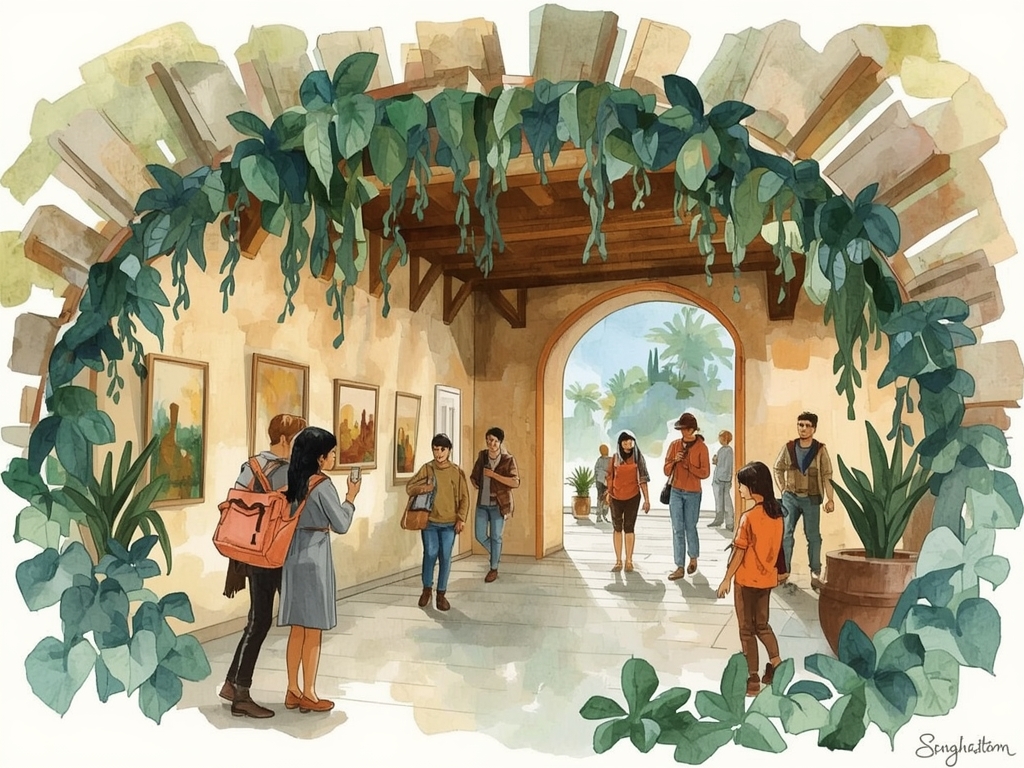
The Museum That Plays Hide-and-Seek
Playful visitor rumor
Visitors sometimes joke that the Musée du quai Branly - Jacques Chirac was designed to make you feel like an explorer: the dim, winding paths and unexpected sightlines can make you lose your sense of direction in the most enjoyable way. A lighthearted rumor says the building gently "rearranges" itself, so you always stumble onto one more gallery you didn’t plan to see.
The museum’s intentionally meandering layout, dramatic lighting, and layered rooms inspire a common tourist joke: it’s easy to wander, pause, and then realize you’ve discovered another corner you missed.
It encourages guests to relax and explore without a strict plan, turning the visit into a friendly scavenger-hunt feeling - people often leave smiling, saying they found a surprise they weren’t looking for.
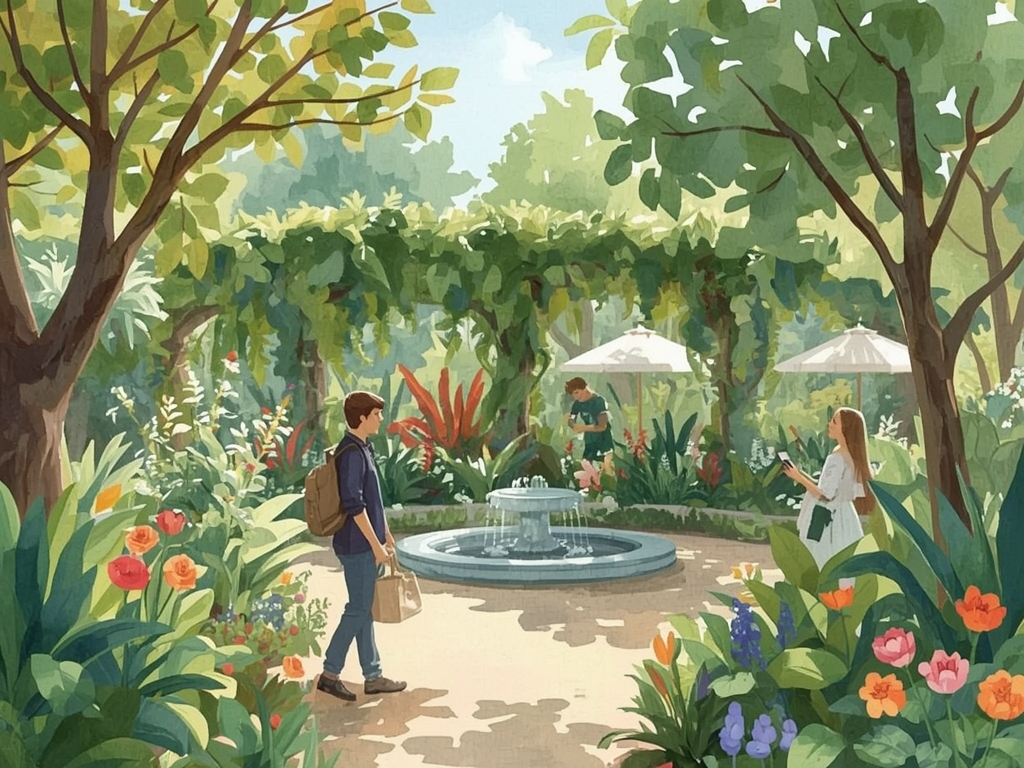
The Garden That Whispers ‘Take Your Time’
Modern urban legend
The museum’s lush garden feels like a small, tucked-away world near the Seine. A cheerful tale among...
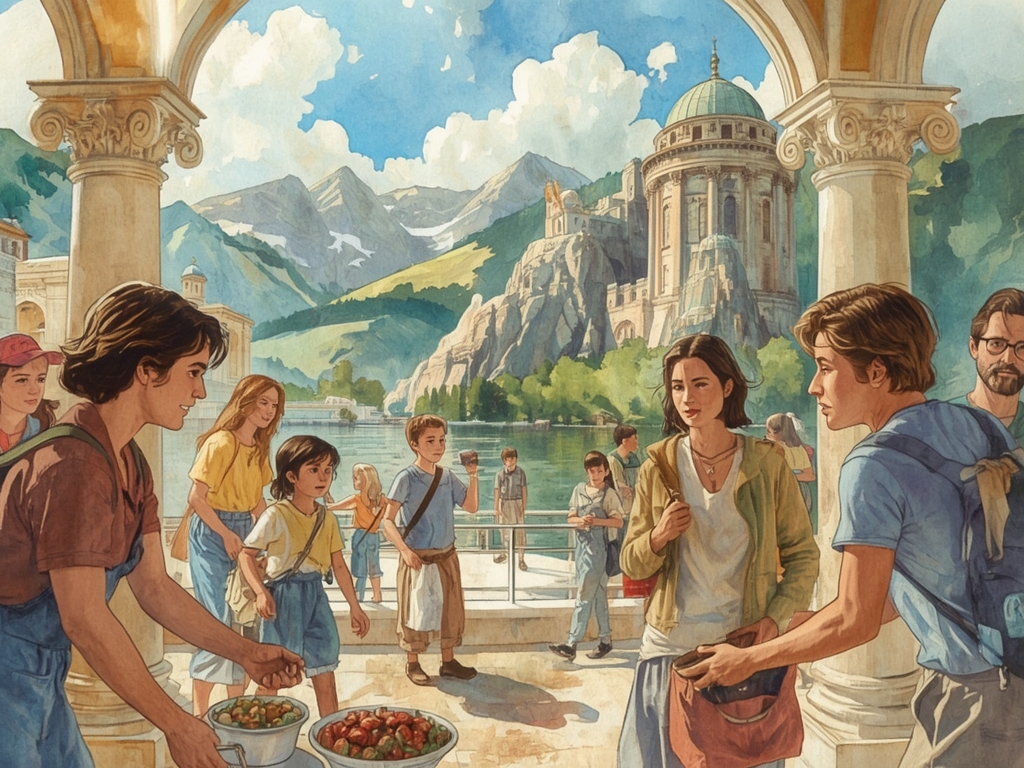
The ‘World Tour in One Afternoon’ Challenge
Amusing visitor anecdote
A lighthearted visitor tradition is to play a game: try to “travel” across as many regions as possib...
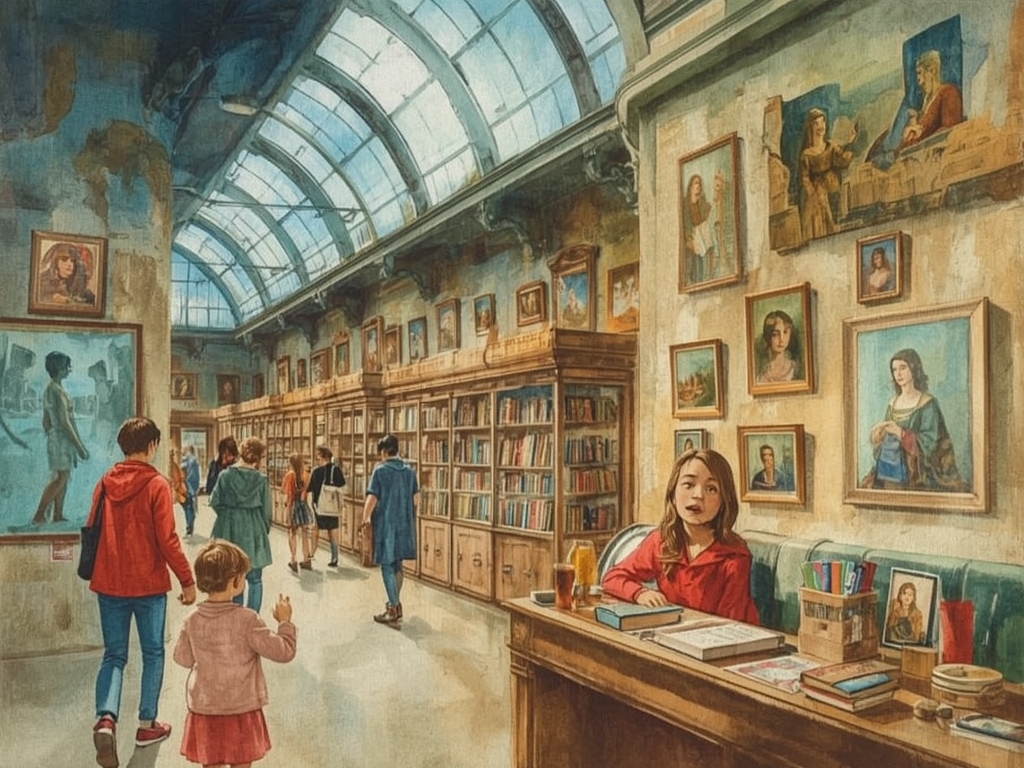
The Secret ‘Lucky Postcard’ Tradition
Fictional rumor / playful tradition
A cheerful museum-shop folklore says that choosing a postcard at random is a “lucky draw”: whatever ...
Frequently Asked Questions
It specializes in Indigenous art and cultures from Africa, Asia, Oceania, and the Americas, with striking displays of masks, sculptures, textiles, and ceremonial objects in a contemporary setting near the Eiffel Tower.
It’s at 37 Quai Branly, 75007 Paris. Common routes: Métro Alma - Marceau (Line 9) then ~10 - 15 min walk; RER C to Pont de l’Alma then ~10 min walk; also reachable by bus lines serving the Eiffel Tower/Seine area (check current routes and stops).
Go on weekday mornings soon after opening, or later in the afternoon. Weekends and school-holiday periods are typically busiest; arriving early helps for popular temporary exhibitions.
Plan 2 - 3 hours for the permanent collections, plus extra time (30 - 90 minutes) for temporary exhibitions, the garden, and the museum shop/bookstore.
Highlights include the main collections route (Africa/Asia/Oceania/Americas), regularly changing major exhibitions, the dramatic architecture by Jean Nouvel, and the specialized bookstore and boutique.
Yes - its landscaped garden is free to enter, offers a quieter break from central Paris, and is a nice place to stroll before or after your museum time.
Start with the permanent collections to get an overview, then visit any temporary exhibition you’re most interested in (timed entries may apply). End with the garden and shop; this flows well and avoids backtracking.
Advance booking is recommended, especially for temporary exhibitions and peak days. Some exhibitions may use timed-entry slots; reserving ahead reduces waiting and ensures availability.
Bring comfortable shoes and a light layer (gallery temperatures vary). Travel light - large bags may need to be checked or may be restricted; bring a small umbrella if the weather changes, and keep valuables secured.
Yes - families will find engaging objects and changing exhibitions; accessibility features are available for visitors with reduced mobility, and staff can direct you to elevators, step-free routes, and adapted services (confirm specific needs on the official site before visiting).
World cultures and masterpieces: Rome after Quai Branly
Everything You Need Before Visiting the Vatican Museums
Art overload in the best way - this visit rewards smart timing. Find where to enter, opening hours, and the quietest slots. Pack the right essentials, learn about elevators and step-free paths, compare guided tours versus audio options, and use the FAQ to avoid common mistakes.
Everything You Need Before Visiting Capitoline Museums
Rome’s oldest public museum hides big surprises on Capitoline Hill. Get clear directions, opening hours, and the smoothest time slots, plus what to pack and how long to stay. Learn about step-free routes, onsite facilities, and whether an audio guide or live expert suits your style.