
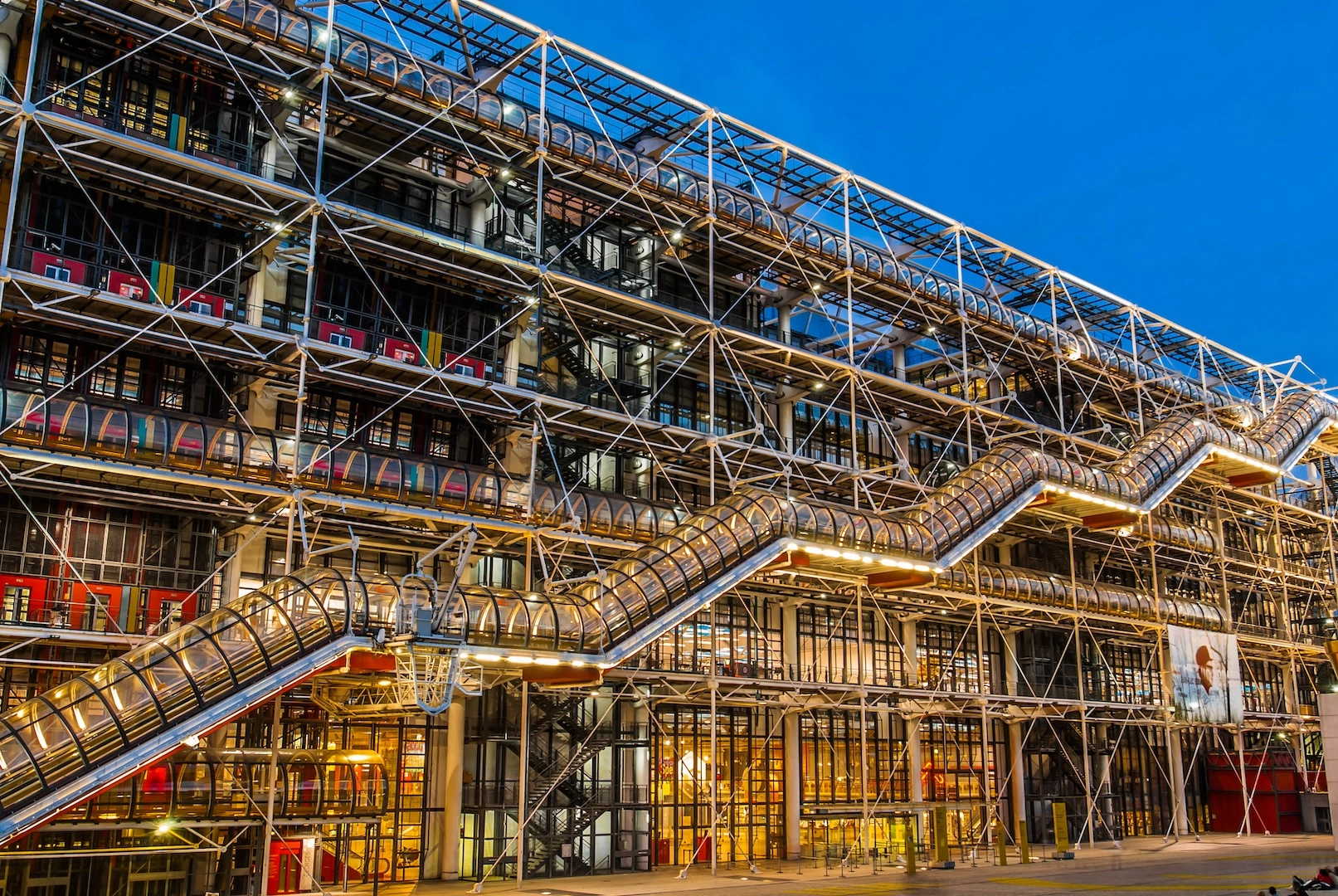
Best Time For Visit
Morning (opening time to late morning)
Spring (April - June), Early autumn (September - October)
11:30 – 15:30
When to Visit
The Centre Pompidou’s galleries are most comfortable and least crowded soon after opening, making it easier to enjoy major exhibitions, permanent collections, and the museum route without congestion. Morning light can also make rooftop/terrace viewpoints and exterior photos feel clearer and calmer.
Aim to arrive 10 - 20 minutes before opening to be near the front of the security/ticket line. If you prefer a livelier atmosphere and city views, early evening can be enjoyable, but it often comes with higher crowd levels - especially on weekends and during big exhibitions.
Seasonal Tips
These shoulder seasons typically balance comfortable weather, good natural light for city views from the upper levels, and lighter crowds compared with peak summer. The surrounding Marais area is especially pleasant for combining the museum with outdoor cafés and walking before/after your visit.
Weather: Spring and early autumn are generally mild (often cool mornings, comfortable afternoons), with fewer extreme heat days than July - August and less frequent cold rain than deep winter. Clear days improve panoramic views over Paris from the upper floors.
Summer (July - August) brings the largest tourist volumes and occasional heat waves, which can make both the queues and the surrounding streets feel more taxing. Winter (November - March) can be quieter and good for crowd-avoidance, but you’ll trade off daylight and may encounter more gray/rainy conditions that reduce scenic visibility from the top.
What To Take With You
Seasonal Recommendations
Additional Recommendations
Working Time
Regular opening hours are typically 11:00 - 21:00 daily except Tuesdays (closed). On Thursdays, opening is usually extended until 23:00. May 1 is typically a full closure. Last entry time varies by ticketed area/exhibitions; plan to arrive at least 60 - 90 minutes before closing (and earlier on busy days) to allow for entry queues and gallery access.
Weekly Schedule
Get Guides
Guided-visit and audio-guide offerings can vary by exhibition (permanent collection vs. temporary shows) and by season. For the most accurate current languages, pricing, and pickup point, consult the Centre Pompidou ‘Visit’/ticketing pages for the specific exhibition/date.
Professional Guides
Varies by tour type/group size and duration (typically paid guided tours and/or private group tours).
How to book: Book in advance via the Centre Pompidou website (ticketing/visits section) or through its official guided-visit offerings; some guided activities may also be bookable on-site subject to availability.
Available in French, English
Audio Guides
FROM Paid add-on; price can vary by exhibition/period (commonly around the €5 range).
On-site rental/collection at the museum (audio guide counter/area in the visitor services zone); availability may depend on the exhibition.
Available in French, English, Spanish, German, Italian, Portuguese
Mobile Apps
Free to download; some in-app content may be free and/or exhibition-dependent.
iOS, Android
Virtual Tours
Online digital content is available (e.g., curated online resources and occasional virtual/online visits depending on programming). Availability and formats vary over time; access is via the official Centre Pompidou website.
Location
Centre Pompidou is located in central Paris on the Right Bank (Rive Droite), in the 4th arrondissement, within the historic Marais area - specifically around the Beaubourg/Plateau Beaubourg zone near Rue Beaubourg and Rue Saint-Martin. It sits a short walk east of Les Halles (Forum des Halles and the major Châtelet - Les Halles transport hub), and close to the Hôtel de Ville (Paris City Hall) and the Seine. Notable nearby places include the Marais’s narrow medieval streets and boutiques, the Picasso Museum (Musée Picasso) to the northeast, the Jewish Quarter around Rue des Rosiers, and several major riverfront sights within an easy stroll such as Île de la Cité (home to Notre-Dame Cathedral) and the river promenades along the Seine. The area also connects naturally to big central Paris nodes like Place du Châtelet and the Louvre district further west. This part of the city is special because it combines some of Paris’s oldest urban fabric - historic townhouses, small lanes, lively squares - with a dense cultural and creative scene. It is worth visiting not only for the Centre Pompidou’s major modern and contemporary art collection and its iconic “inside-out” architecture, but also for the surrounding street life: cafés, galleries, shops, and the constant mix of locals and visitors. The Beaubourg plaza in front of the museum is a classic Paris meeting spot known for open-air activity and an energetic atmosphere, making the neighborhood an easy, walkable base for exploring central Paris on foot.
Funny Stories or Myths
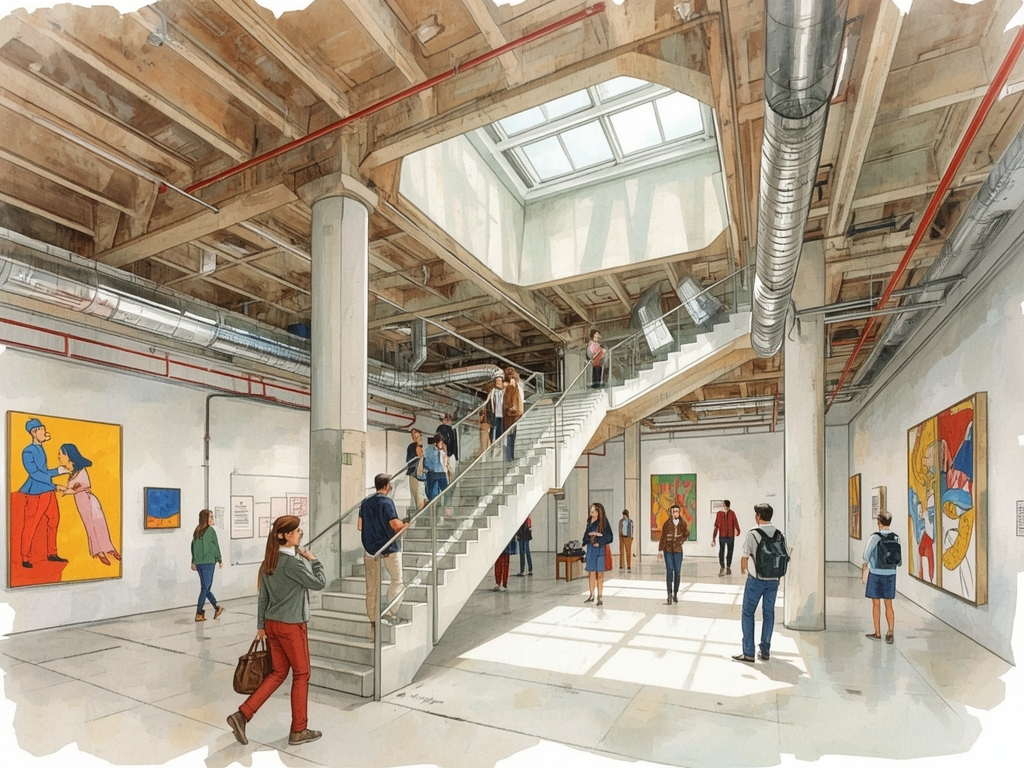
“The building is inside-out on purpose - like a giant Parisian joke.”
Anecdote / popular myth
One of the most repeated, smile-inducing tales is that the Centre Pompidou “put its underwear on the outside.” Visitors notice the exposed tubes, ducts, and structural elements and hear a playful explanation: the architects wanted to flip a building inside-out so the interior could be a wide-open playground for art. The joke lands because it’s visually true - the ‘guts’ are out in the open.
The story grew from early reactions to the building’s radical high-tech style in the 1970s. Parisians and critics coined teasing nicknames (like comparing it to a factory), and guides turned that teasing into a friendly, memorable explanation of the design concept.
It encourages tourists to look closely at the color-coded pipes and to treat the building itself like an exhibit - taking photos of details they might otherwise ignore and feeling less intimidated by modern architecture.
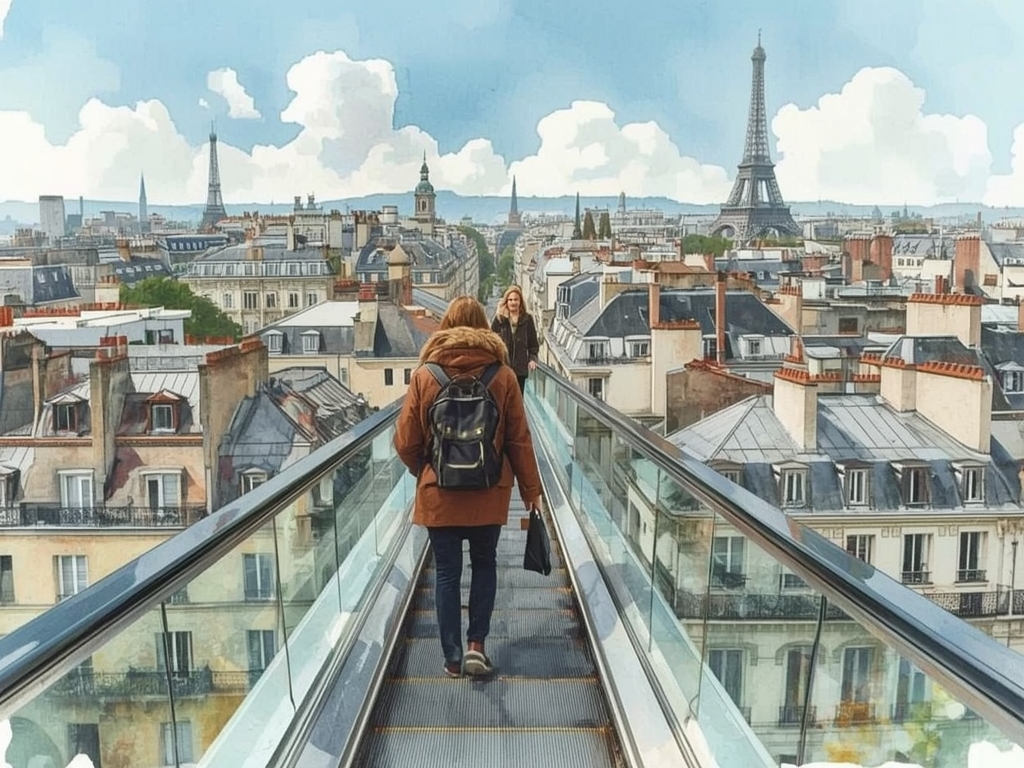
“The famous escalator is Paris’s easiest ‘moving balcony’ - a sightseeing ride disguised as transportation.”
Humorous anecdote / visitor lore
A lighthearted rumor says locals use the long, transparent ‘caterpillar’ escalator not just to reach...
“The pipes are a secret ‘urban xylophone’ - the building hums when Paris is in a hurry.”
Fictional rumor / playful legend
A whimsical bit of invented folklore claims the exterior tubes and metalwork create a faint ‘music’ ...

“The plaza is a ‘magnet for creativity’ - drop a sketchbook there and it fills itself.”
Lighthearted legend / tourist lore
A cheerful myth says the forecourt acts like a creativity magnet: sit down for five minutes and you’...
Frequently Asked Questions
The Centre Pompidou is a major modern and contemporary art museum and cultural center in Paris, known for its “inside-out” architecture (exposed pipes and structure) and the huge public library and exhibition spaces.
Go on weekday mornings (especially right at opening) or later in the afternoon. Weekends, school holidays, and major temporary exhibitions are typically busiest.
Plan 2 - 4 hours for the museum and main exhibitions; add 30 - 60 minutes if you want the rooftop views or to spend time in the shop/café. Art enthusiasts often spend half a day.
Start with the permanent collection floors, then visit any temporary exhibition you’re most interested in, and finish with the rooftop/viewing areas. Use the escalator “tube” on the façade for great city views between floors.
The modern and contemporary art collections (20th - 21st century), the iconic exterior escalators, panoramic views over Paris, and the large open square outside that often has street performers.
Yes - views often include Paris rooftops and major landmarks (the skyline toward the Eiffel Tower and central districts). It’s especially nice near sunset on clear days.
The museum is in the Beaubourg area near Le Marais. Common nearby metro options include Rambuteau and Hôtel de Ville; Châtelet - Les Halles is also close and connects many lines.
Bring comfortable walking shoes, a light layer (galleries can feel cool), and a fully charged phone/camera. Avoid large luggage - security checks are standard and oversized bags may not be permitted in galleries.
Book tickets in advance when possible and arrive early for popular exhibitions. If you’re flexible, choose less busy time slots to reduce waiting.
Pair it with a walk through Le Marais (shops and historic streets), the nearby Place des Vosges, or a Seine river stroll. The plaza in front of Pompidou is also good for a quick break and people-watching.
Marais and central Paris museum crawl
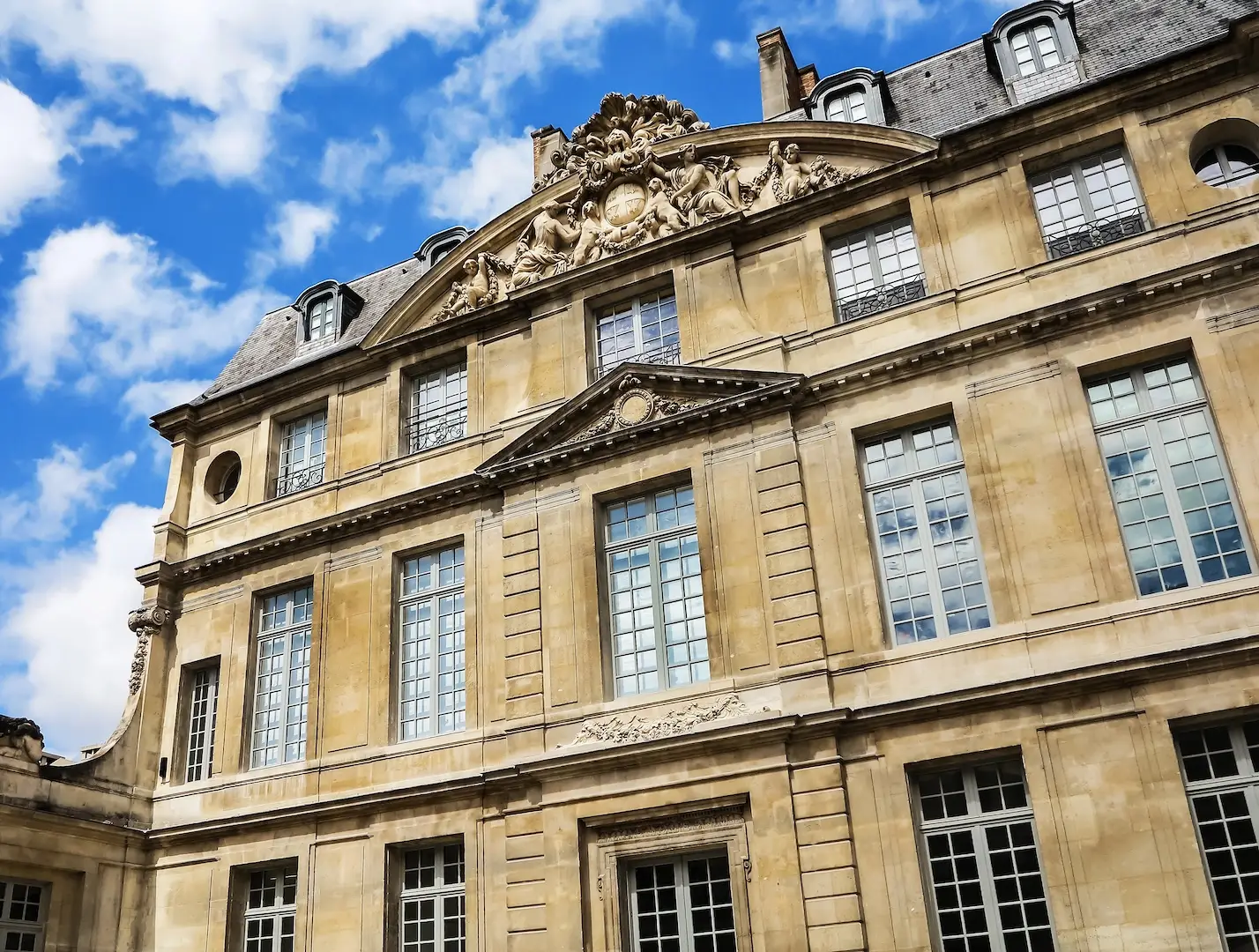
Planning a Visit to the Picasso Museum in Paris
Step into Picasso’s world in the heart of Paris. This guide covers an overview of the collection, exact location, working time, the best time for visit, fun stories and myths, accessibility details, and whether you can get guides or audio guides - plus a handy FAQ to plan your stop with confidence.

How to Visit Notre Dame Cathedral in Paris: A Practical Guide
Gothic grandeur, legends, and riverside views - Notre Dame Cathedral is a must in Paris. This guide covers an overview, working time, best time for visit, funny stories or myths, exact location, accessibility tips, FAQs, and options for guides or audio guides to help you plan smoothly.

Sainte-Chapelle visitor guide for planning your trip
Step into a jewel box of stained glass and Gothic detail - Sainte-Chapelle rewards every traveler. This guide covers an overview, working time, best time to visit, funny stories and myths, exact location, accessibility tips, FAQs, and how to get guided tours or audio guides for a smoother visit.
Big-ticket art museums nearby

Your essential Louvre Museum visit plan for Paris
Want to see Paris’ most iconic art without the stress? This guide covers a clear Louvre Museum overview, working time, the best time to visit for shorter lines, fun myths and stories, exact location, accessibility tips, practical FAQs, and how to get guides or audio guides for a smoother experience.
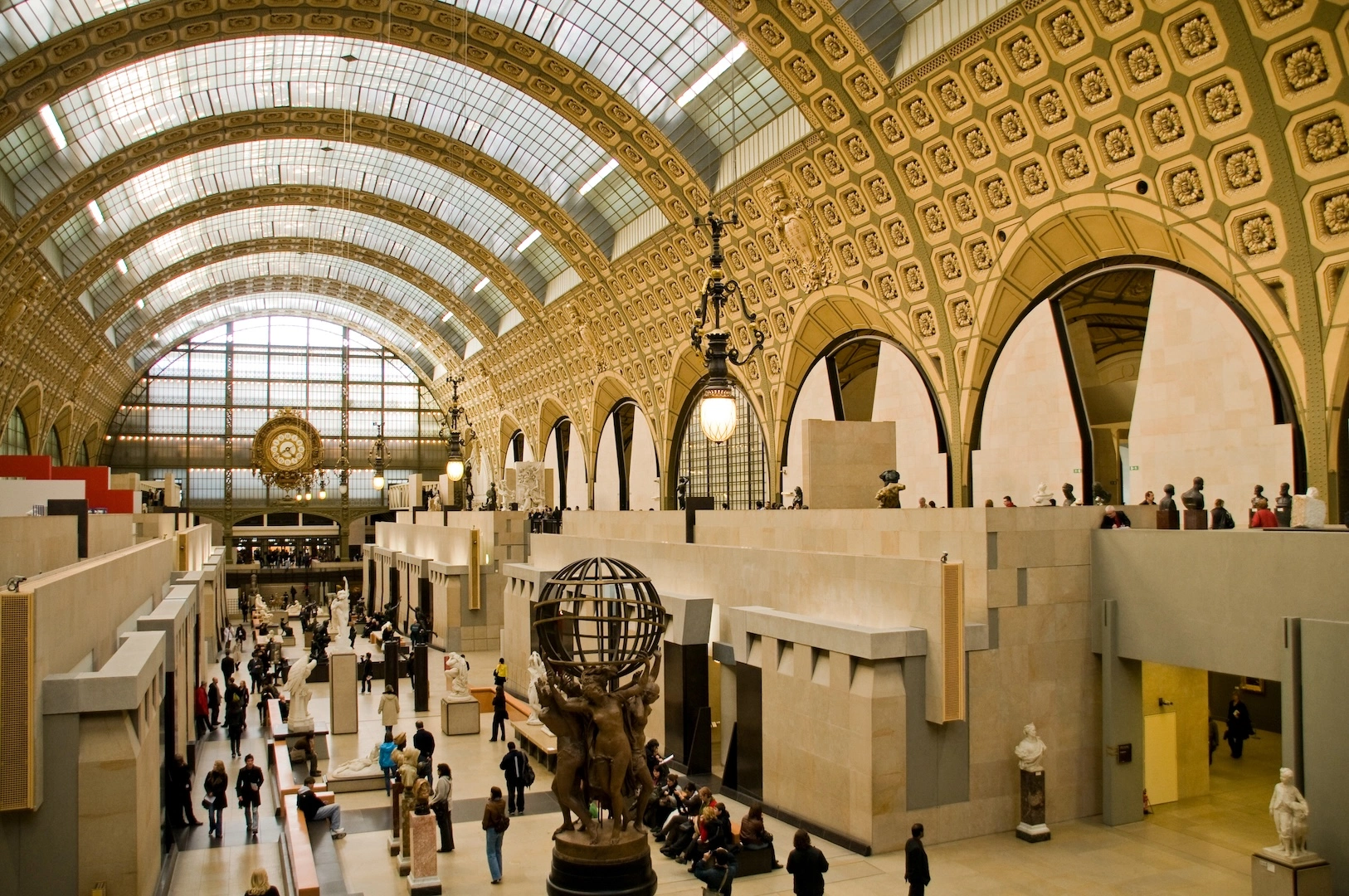
Your Complete Guide to the Orsay Museum in Paris
Step into a former railway station turned art icon. This guide covers the Orsay Museum Paris overview, working times, the best time to visit, and fun myths. Find location details, accessibility tips, FAQs, and how to get official guides or audio guides for a smoother, richer visit.

Orangerie Museum visitor guide for your Paris trip
Step into Monet’s luminous Water Lilies and make your museum day effortless. This guide covers an overview, working time, best time to visit, fun stories and myths, exact location, accessibility details, FAQs, and how to get guides or audio guides - so you can plan confidently and enjoy every minute.
Modern and classic art heavyweights in Rome
Everything You Need Before Visiting the Vatican Museums
Art overload in the best way - this visit rewards smart timing. Find where to enter, opening hours, and the quietest slots. Pack the right essentials, learn about elevators and step-free paths, compare guided tours versus audio options, and use the FAQ to avoid common mistakes.
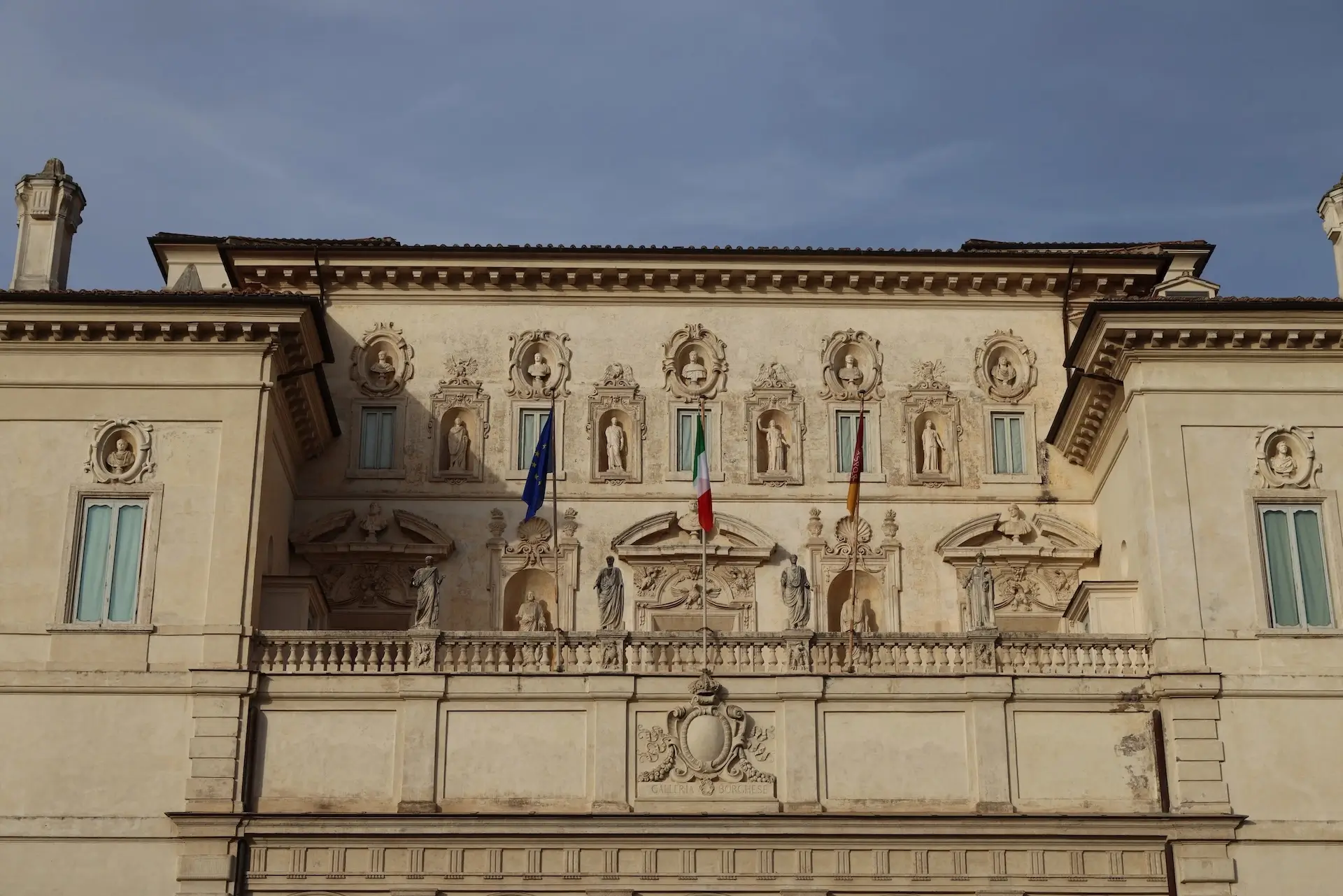
Everything You Need Before Visiting Galleria Borghese
Few museums deliver knockout beauty so quickly. This article shows where the villa sits, exact opening hours, and the smartest seasons to go. You’ll get a packing checklist, accessibility notes, plus tips on booking guided tours or audio commentary, along with fun myths and a quick FAQ.
Everything You Need Before Visiting Capitoline Museums
Rome’s oldest public museum hides big surprises on Capitoline Hill. Get clear directions, opening hours, and the smoothest time slots, plus what to pack and how long to stay. Learn about step-free routes, onsite facilities, and whether an audio guide or live expert suits your style.