
Best Time For Visit
Early morning (at opening) or late afternoon to sunset
Late April - June (spring), September - October (early fall)
10:00 – 16:00
When to Visit
Crowds and security lines are shortest right at opening; light is soft and flattering for photos in the morning and during golden hour, and temperatures are cooler than midday.
Arrive 15 - 30 minutes before opening to be among the first through security. For scenic exteriors, aim for late-afternoon golden hour and blue hour after sunset; good viewpoints include Pont Saint‑Louis, Pont de l’Archevêché, and Square René Viviani across the river. If interior/tower access uses timed entry post-restoration, reserve the earliest or latest slots available and travel light (small bag) to speed security.
Seasonal Tips
These shoulder seasons balance comfortable weather with lighter crowds than peak summer. Spring brings blossoms and vibrant riverside greenery; early fall offers pleasant temperatures and softer light, with fewer tour groups than July - August.
Weather Spring highs ~12 - 22°C with occasional showers; early fall ~13 - 21°C, generally stable. Summer can see heatwaves >30°C and dense crowds. Winter is cold (3 - 8°C), damp, with short daylight but very low tourist volume.
Early April often features cherry blossoms around Square Jean‑XXIII and Square René Viviani for iconic photos. Late October - early November brings autumn foliage along the Seine. December offers festive decor and a nativity scene but larger worship crowds; verify current visiting hours during services. As restoration phases evolve (post-2019 fire; reopening announced for Dec 8, 2024), check the official site for any timed-entry or area closures.
Best places to stay
What To Take With You
Seasonal Recommendations
Specific Recommendations
Check Availability
Working Time
Hours may be reduced or access may be restricted during Mass, major religious services, state ceremonies, or exceptional events; last entry time is not consistently published - arrive at least 30 - 45 minutes before closing, and expect security screening queues.
Weekly Schedule
Get Guides
Service availability and languages can vary by day and season, especially for free volunteer-led tours; check the official Notre-Dame de Paris website and on-site notices. The cathedral entrance is free; allow time for security screening. Third-party guides may need to follow group-size and conduct rules inside the cathedral.
Professional guides
Group tours typically €15 - €40 per person via third-party operators; private licensed guide about €150 - €300 for 1 - 2 hours (prices vary by provider and season). Free volunteer-led tours may be available on-site (donations welcome).
How to book Paid professional tours: book through licensed tour operators or travel platforms; meeting points are usually on/near the parvis (cathedral forecourt). Free volunteer-led tours (when scheduled): no advance booking; check the daily schedule posted inside the cathedral or on the official Notre-Dame website.
Available in: English, French, Spanish, Italian, German
Mobile Apps
Many free options; paid self-guided audio tours typically €3 - €10. Download from the Apple App Store or Google Play before your visit.
iOS, Android
Virtual tours
Éternelle/Éternal Notre-Dame immersive VR experience (off-site near Île de la Cité/Hôtel de Ville locations; approx. €20 - €30; book online via the experience’s website). Free online 360°/virtual tours are also available via Google Arts & Culture and other cultural platforms.
Location
Notre-Dame Cathedral (Cathédrale Notre-Dame de Paris) stands on the eastern half of Île de la Cité in the 4th arrondissement of Paris (Quartier Notre-Dame), at Parvis Notre-Dame - Place Jean-Paul II, 75004. It sits in the city’s historic core, surrounded by the River Seine and linked by key bridges: Petit Pont and Pont au Double to the Latin Quarter (5th), Pont d’Arcole to Hôtel de Ville and the Marais (4th), Pont au Change and Pont Notre-Dame toward Châtelet (1st), Pont Saint-Michel and Pont Neuf to the west, and the pedestrian Pont Saint-Louis to Île Saint-Louis. Nearby notable places include Sainte-Chapelle, the Conciergerie and Palais de Justice, Hôtel-Dieu hospital, the Archaeological Crypt beneath the forecourt, the Marché aux Fleurs Reine-Elizabeth-II, Place Dauphine and Square du Vert-Galant by Pont Neuf, the riverside bouquinistes, Shakespeare and Company bookstore across the river, the Sorbonne and the Panthéon in the Latin Quarter, and on the Right Bank the Hôtel de Ville, Le Marais, and Centre Pompidou. What makes it special: Île de la Cité is the birthplace of Paris, where Roman Lutetia and the medieval city emerged. Notre-Dame anchors a landscape of Gothic and classical monuments, elegant bridges, and tree-lined quays that form part of the UNESCO-listed Banks of the Seine. It is worth visiting for its layered history and architecture, postcard river views, lively streets and bookstalls, riverfront strolls, and the rare convenience of having major Left Bank and Right Bank sights within minutes on foot.
Funny Stories or Myths
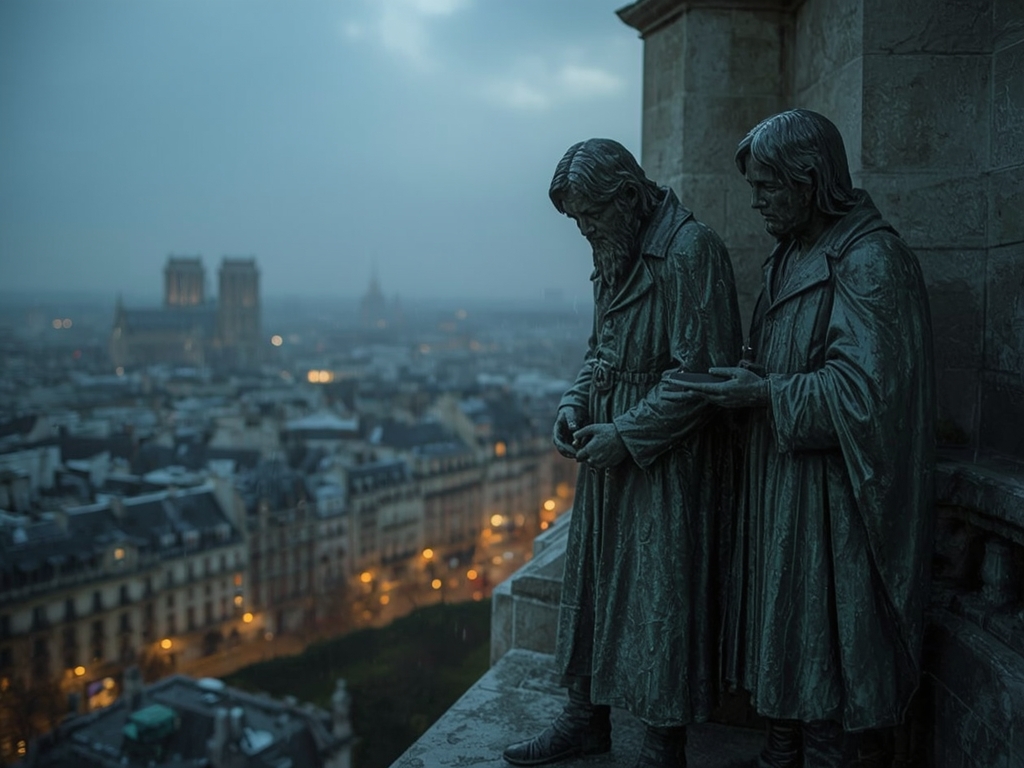
The Gargoyles’ Night Gossip Club
legend
Locals like to say that when Paris goes quiet, Notre Dame’s stone guardians shuffle ever so slightly to compare notes on the day - who wore the most colorful scarf, which painter’s sketch was coming along nicely, and how many pigeons tried to photobomb tourists. If it’s rained, they’re in especially good spirits after a lively bout of water-spouting.
Inspired by the cathedral’s expressive gargoyles and 19th‑century chimera added during restoration by Eugène Viollet‑le‑Duc, storytellers began imagining the creatures as talkative night watchmen. Their distinct faces and perches over the city made the idea irresistible.
People find themselves looking up and giving each creature a nickname, trying to spot the famous pensive chimera and imagining what their favorite one would whisper about their visit.
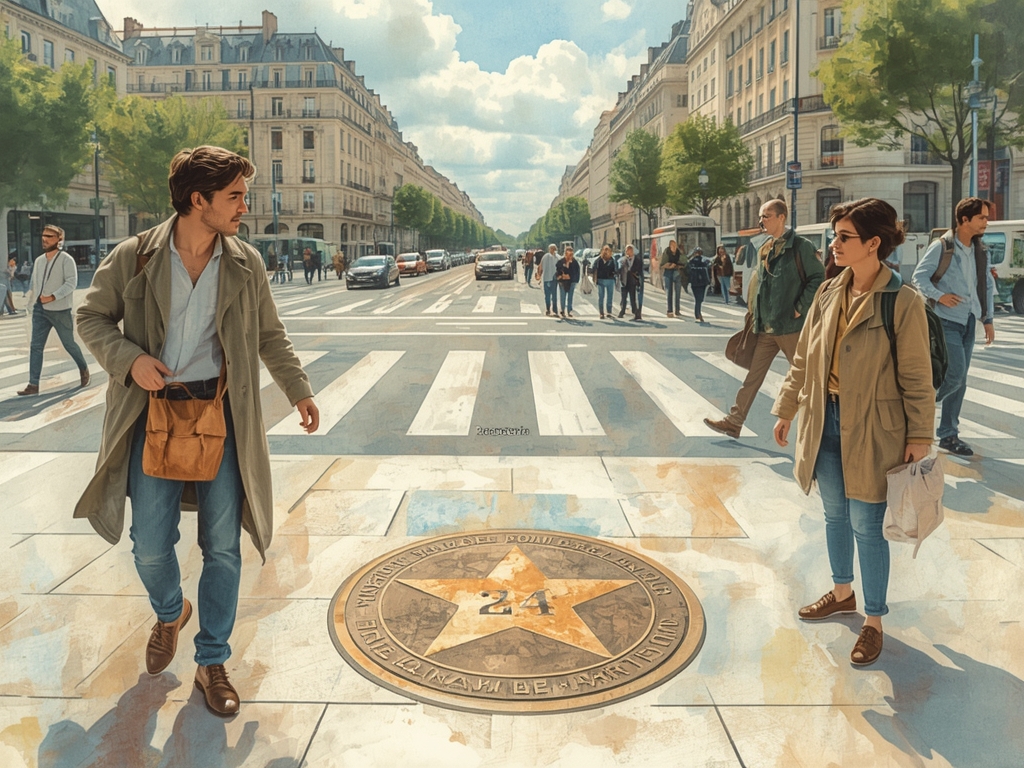
The Bronze Star That Sends You Back to Paris
playful tradition
There’s a gleaming medallion set in the pavement before the cathedral - Point Zéro des Routes de Fra...
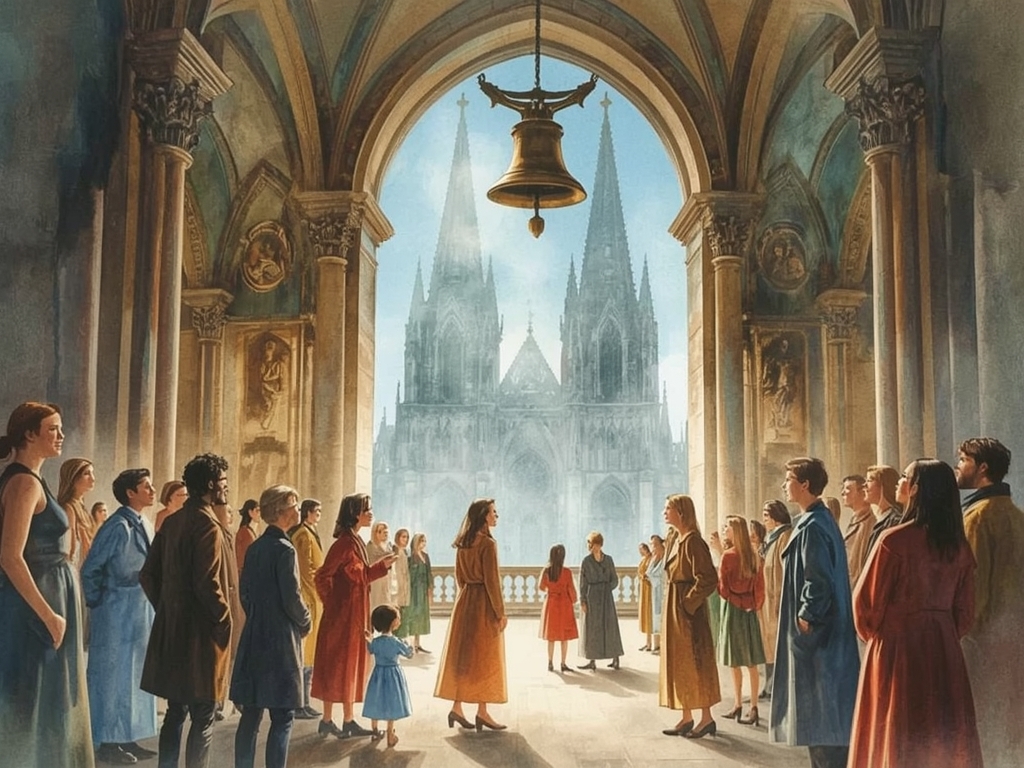
The Bells With Personalities
folk rumor
The cathedral’s bells are often treated like a cheerful choir. The grand old bass voice, Emmanuel, i...

The Rooftop Honey Whisper
whimsical anecdote
A sweet little rumor claims the cathedral’s nearby rooftop bees enjoy organ music and buzz in gentle...
Frequently Asked Questions
Arrive at opening or late afternoon on weekdays; shoulder seasons (Oct - Mar) are quieter than summer and holidays.
Restoration has affected access; a reopening was targeted for late 2024. Check the official site for current status before you go.
Cathedral entry is traditionally free; the towers and the archaeological crypt require paid, timed tickets when open.
Allow 45 - 60 minutes for the cathedral; 1.5 - 2 hours if adding the towers or the crypt.
Metro: Cité (Line 4). RER: Saint-Michel - Notre-Dame (Lines B/C). Also a short walk from Hôtel de Ville (Lines 1/11).
From the Left Bank via Quai de Montebello and Shakespeare & Company over Petit Pont, or along Île Saint-Louis and Pont de la Tournelle for apse views.
The west façade and portals, the rose windows, the nave (when open), the treasury (when open), and exterior sculptural details.
When open, yes - 387 steps, no elevator; timed tickets are required and weather can affect access.
Yes; worshipers may enter for Mass free of charge. Check the schedule online and maintain silence during services.
Comfortable shoes, modest attire, and a small water bottle; bring a compact umbrella. Large bags and tripods are not allowed.
Yes - expect airport-style checks. Large luggage and sharp objects are prohibited; there are no on-site lockers.
Non-flash, handheld photography is generally allowed; no tripods, monopods, or drones, and be discreet during services.
The parvis is flat and the nave is typically step-free when open; tower climbs are not accessible. Verify current access before visiting.
No; use public toilets near the parvis or nearby cafés on the Île de la Cité/Left Bank.
Yes, but it’s crowded - watch for pickpockets and avoid street scams; keep valuables secure.
Quai de Montebello, Pont de la Tournelle, Petit Pont, and Square Jean XXIII (when open). Morning light favors the apse; afternoon lights the façade.
Limited same-day availability may exist, but online timed reservations are strongly recommended in peak periods.
Yes - guided visits and audio guides/apps are offered in multiple languages; check availability and times online.
Sainte-Chapelle, the Conciergerie, Île Saint-Louis, the Latin Quarter, and a Seine river cruise.
Keep voices low, silence phones, don’t eat or drink, and respect cordoned areas and ongoing worship.
Queues are outdoors; bring rain gear or sun protection. The interior can feel cool in winter.
Occasional concerts are scheduled; check the cathedral’s calendar and arrive early for seating.
See notredamedeparis.fr for hours/services, the Centre des monuments nationaux for towers, and Paris Musées for the crypt.
Yes - boats pass the Île de la Cité and offer excellent angles on the façades and apse.
Parvis Notre-Dame - Place Jean-Paul II, 75004 Paris, on the Île de la Cité.
Must-see sights on Île de la Cité

Sainte-Chapelle visitor guide for planning your trip
Step into a jewel box of stained glass and Gothic detail - Sainte-Chapelle rewards every traveler. This guide covers an overview, working time, best time to visit, funny stories and myths, exact location, accessibility tips, FAQs, and how to get guided tours or audio guides for a smoother visit.

Your guide to touring La Conciergerie in Paris
Step into a former royal palace turned Revolutionary prison and feel history close in. This guide covers La Conciergerie’s overview, exact location, working times, best time to visit, funny stories and myths, accessibility details, guide and audio-guide options, plus a handy FAQ for planning.

Your essential Louvre Museum visit plan for Paris
Want to see Paris’ most iconic art without the stress? This guide covers a clear Louvre Museum overview, working time, the best time to visit for shorter lines, fun myths and stories, exact location, accessibility tips, practical FAQs, and how to get guides or audio guides for a smoother experience.
Easy Latin Quarter classics nearby

Visiting The Pantheon in Paris: location, hours, and tips
Step into one of France’s most awe-inspiring monuments and uncover what makes it unforgettable. This guide covers an overview, exact location, working time, the best time for visit, funny stories or myths, accessibility details, guide and audio guide options, plus a quick FAQ.
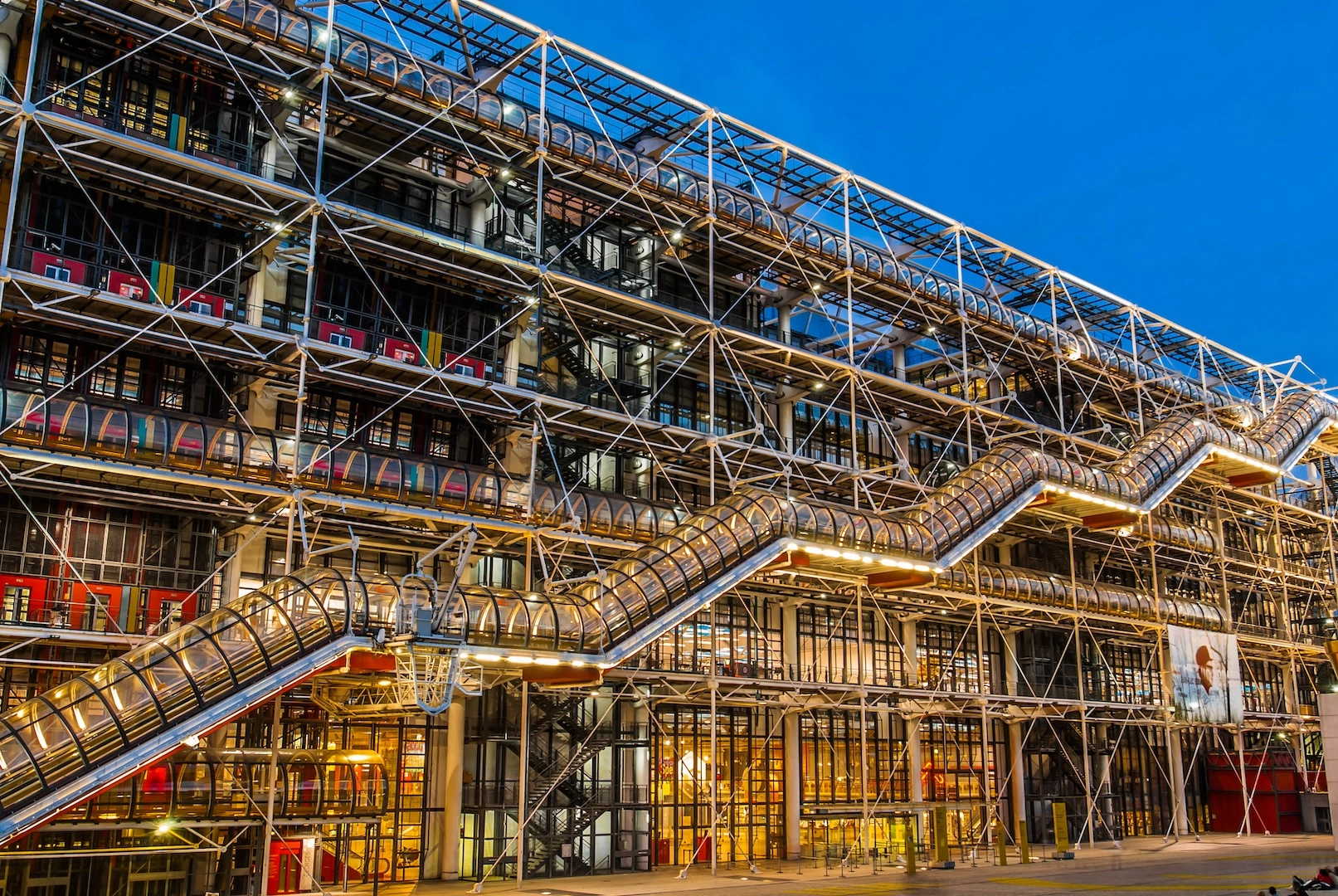
Your guide to exploring Centre Pompidou in Paris
A bold building packed with modern masterpieces - Centre Pompidou is a must for curious travelers. This guide covers what to expect, where it is, working time, the best time to visit, fun myths and stories, accessibility details, and whether guides or audio guides are available, plus a handy FAQ for planning.