
Best Time For Visit
Morning (around opening time)
Late spring (May - June), Early autumn (September - early October)
11:00 – 15:30
When to Visit
The museum and grounds are typically quietest in the first 1 - 2 hours after opening, which makes it easier to enjoy the permanent collections and the Port-Royal site atmosphere without tour groups or weekend day-trippers. Morning light is also pleasant for viewing the gardens/landscape and taking photos with softer contrast.
If you prefer a calmer indoor visit, arrive right at opening and start with the museum rooms first, then walk the grounds later. For the most peaceful experience, choose a weekday morning outside school holidays.
Seasonal Tips
These shoulder seasons usually combine comfortable temperatures with attractive natural scenery and fewer visitors than mid-summer. The surrounding landscape looks especially good in late spring (fresh greenery, blossoms) and early autumn (warm colors), making the outdoor portions of the visit more scenic.
Weather: Generally mild, with a lower chance of extreme heat than July - August and fewer cold/wet days than late autumn - winter. Occasional rain is still possible, so a light rain jacket is useful for walking the grounds.
Summer (July - August) can be warmer and busier due to holidays, while winter tends to be quieter but can feel damp/cold and less scenic outdoors. If you visit in winter, prioritize the indoor collections and plan a shorter outdoor walk.
What To Take With You
Seasonal Recommendations
Additional Recommendations
Working Time
Hours shown are for the Musée national de Port-Royal des Champs (site at Magny-les-Hameaux, Île-de-France). Typical opening is 10:00 - 18:00 Tuesday - Sunday, closed Mondays and certain public holidays (notably May 1 and Dec 25). Last entry is generally 45 minutes before closing (approx. 17:15).
Weekly Schedule
Location
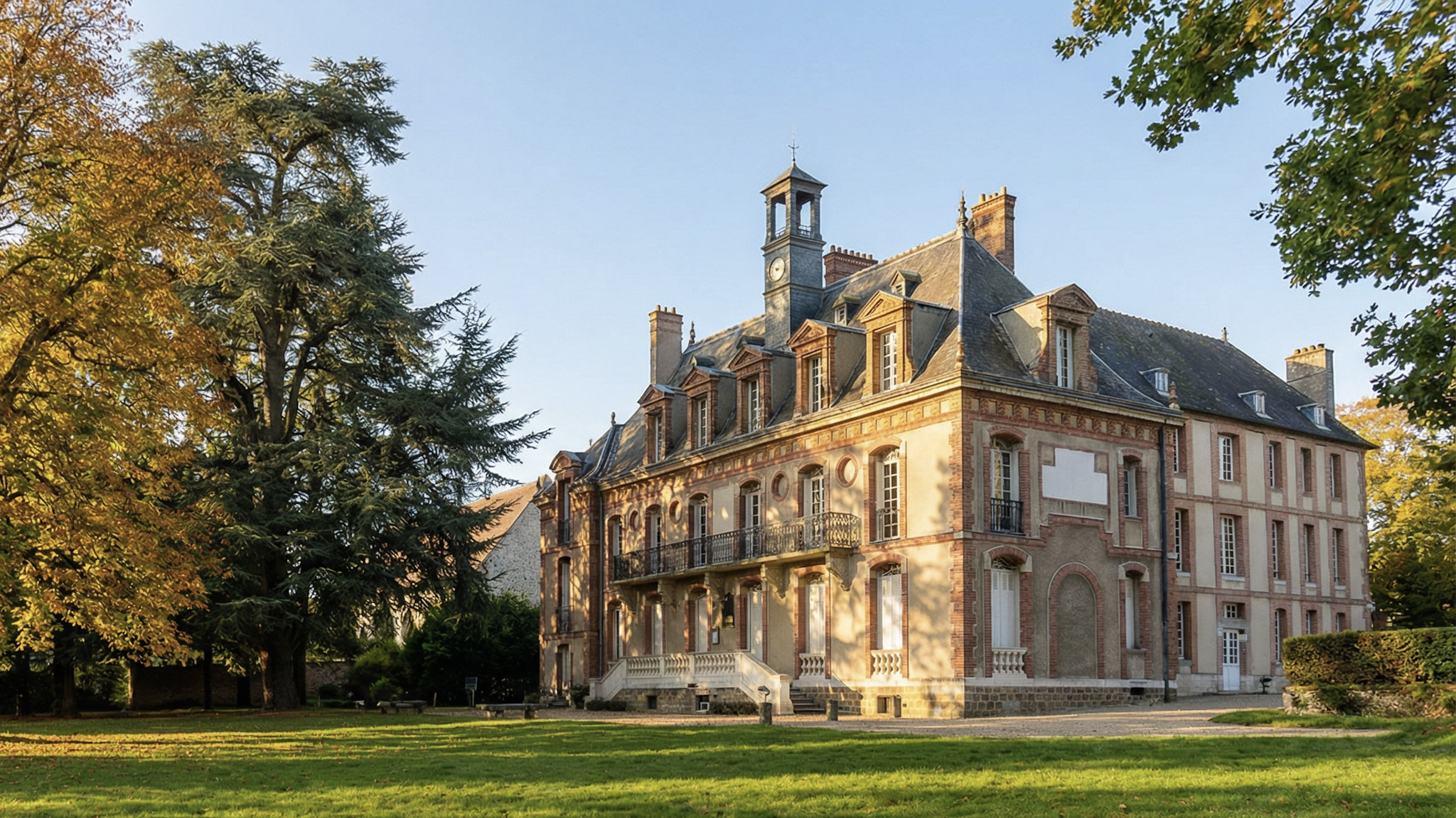
Musée de Port-Royal des Champs is not located in Paris proper; it is in the Île-de-France region, in the Yvelines department, at Magny-les-Hameaux (near Saint-Quentin-en-Yvelines and the Vallée de Chevreuse), roughly 30 - 35 km southwest of central Paris. It therefore is not in a Paris arrondissement (“district”) but in the southwest suburban/rural belt of the Paris region. Nearby notable places and landmarks include the Chevreuse Valley (Parc naturel régional de la Haute Vallée de Chevreuse), a renowned area of wooded hills, small villages, and walking trails; the town of Saint-Rémy-lès-Chevreuse (a common gateway to the valley); and the planned new-town area of Saint-Quentin-en-Yvelines with its lakes and parks. The site itself sits amid the historic remains of the Port-Royal des Champs abbey and a quiet agricultural landscape, giving it a distinctly countryside feel compared with central Paris. What makes this area special is the contrast it offers with the city: it is one of the most accessible “near-Paris” escapes into protected nature and historic religious heritage. The museum and surrounding grounds are closely associated with Port-Royal, Jansenism, and major figures in 17th-century French intellectual and religious history. It is worth visiting for the combination of museum collections, the evocative abbey setting, and a peaceful day trip experience - mixing art, history, and countryside walks within easy reach of Paris.
Funny Stories or Myths
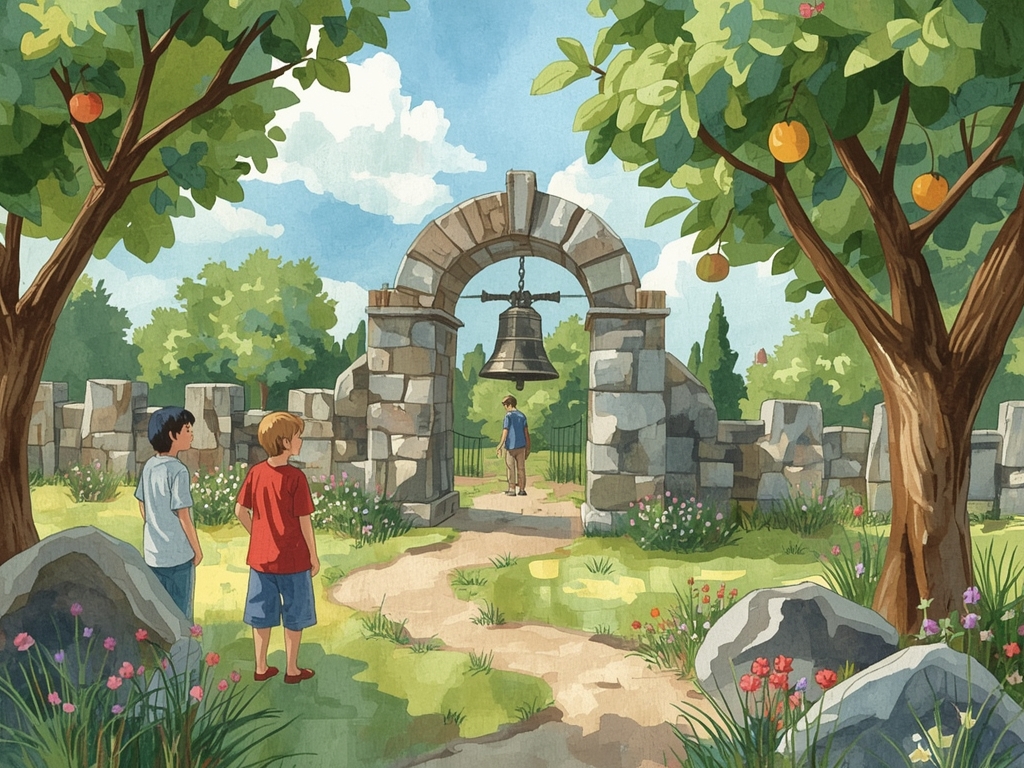
The “Silent Bell” That Rings Only for Daydreamers
Fictional rumor (visitor folklore)
Visitors sometimes share a playful rumor that somewhere on the grounds there is a bell that does not ring for everyone. The tale says that if you arrive with a calm mind and let your thoughts wander among the orchards and old stones, you might “hear” a faint bell-tone in your imagination - like the site is gently reminding you to slow down and notice small details.
Port-Royal des Champs has a reputation for quiet reflection, and many guests remark on how the landscape seems to soften everyday noise. Over time, that atmosphere inspired a whimsical idea: a bell you can only notice when you are already in a peaceful, daydreaming mood.
Encourages families and friends to explore more slowly, compare what they notice, and treat the visit like a mindful scavenger hunt for tiny sounds, birdsong, and rustling leaves.

The Orchard That Helps You Find the Right Words
Light myth (place-based inspiration tale)
A cheerful local legend says that the old orchard spirit of Port-Royal “lends” good phrasing to anyo...
The “Polite Footsteps” Tradition
Humorous anecdote (visitor custom)
There is a lighthearted tradition among some visitors that the paths at Port-Royal prefer “polite fo...
The Lost Bookmark That Always Returns
Fictional rumor (playful museum tale)
A charming rumor says that a certain “lost bookmark” keeps reappearing at Port-Royal. The story clai...
Frequently Asked Questions
It’s a former Cistercian abbey site closely tied to Jansenism and 17th‑century French intellectual and religious history. Today it’s a museum in a quiet valley setting with historic buildings, collections, and a strong sense of place.
Despite being associated with Paris, the Musée de Port-Royal des Champs is in the Chevreuse Valley area (Île‑de‑France), southwest of Paris. Plan it as a half‑day or day trip from central Paris.
Visitors typically focus on the abbey remains and setting, the museum collections related to Port‑Royal and its key figures, and the tranquil grounds/valley landscape that shaped the site’s history.
Plan about 2 - 3 hours for the museum and grounds; 3 - 5 hours if you want a slower pace, photography, or a walk in the surrounding area.
Arrive near opening or in the mid‑afternoon to avoid any peak times and enjoy a calmer atmosphere. Earlier visits also give you more time for a walk around the grounds afterward.
Spring and early autumn are ideal for mild weather and pleasant scenery in the valley. Summer can be warmer, while winter is quieter but can be cold and damp outdoors.
The most common approach is to take public transport from Paris toward the Chevreuse/Saint‑Quentin‑en‑Yvelines area and then continue by taxi/bus/walk depending on the final stop. Driving is often the simplest for flexibility, especially if you want to explore nearby villages and trails.
Accessibility can be variable because it’s a historic site with uneven paths and older buildings. Check the museum’s official accessibility information in advance and consider contacting them about step‑free access and terrain conditions.
Wear comfortable walking shoes (paths can be uneven), bring a light rain layer in changeable weather, and carry water. If you plan to explore the grounds, a small daypack and a charged phone/camera are useful.
Keep voices low inside galleries and respect any restricted areas of the historic site. Photography rules can vary by room/exhibition - look for posted signs. If you’re visiting on a weekend or during special events, check opening hours and any closures online before you go.
Quiet museums beyond the city buzz
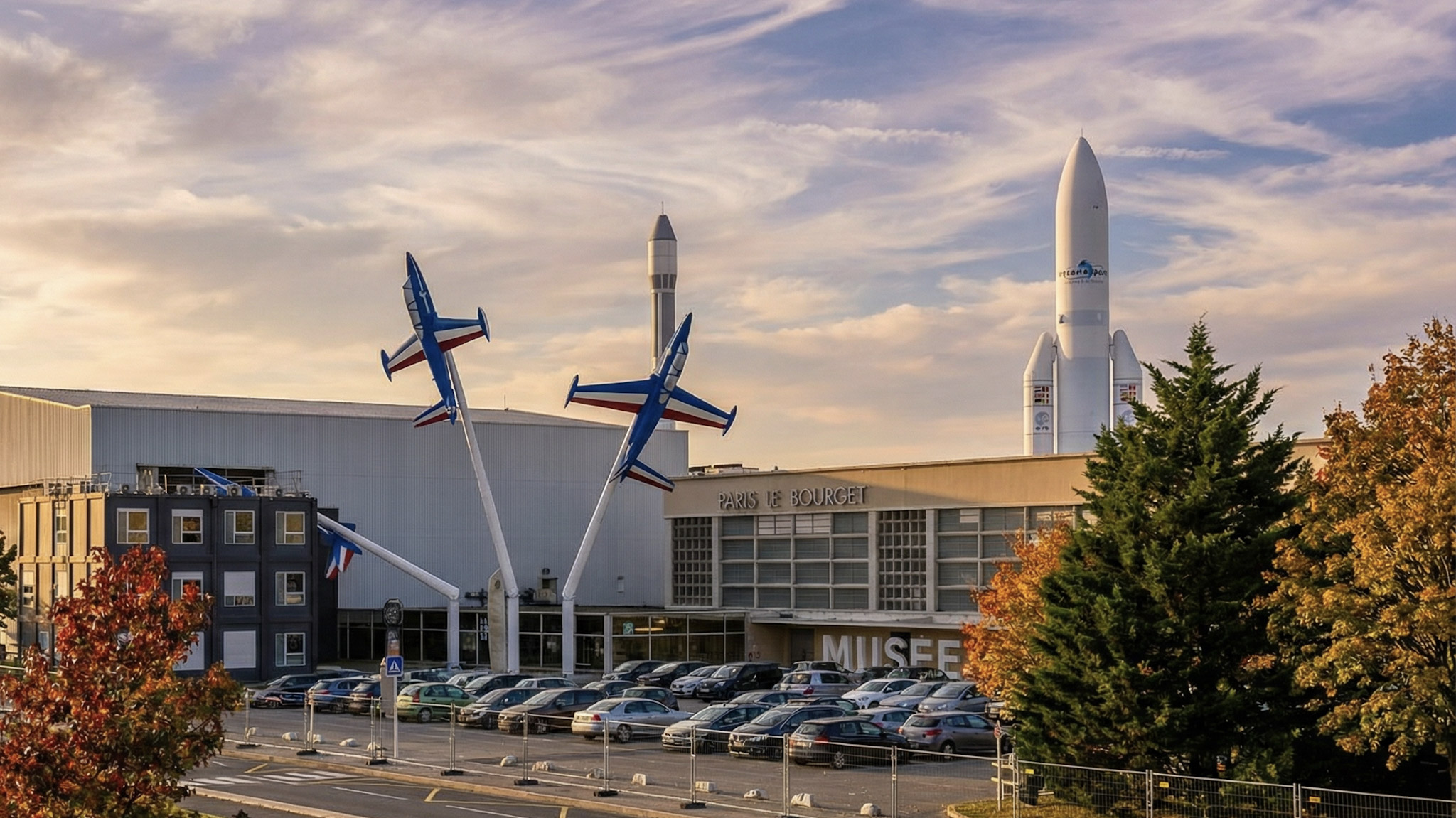
Planning a visit to the Museum of Air and Space in Paris
Step into the world of aviation and rockets at the Museum of Air and Space in Paris. This guide covers a clear overview, where it is, working time, best seasons to go, fun myths and stories, accessibility details, and whether guided tours or audio guides are available - plus an FAQ to plan smoothly.
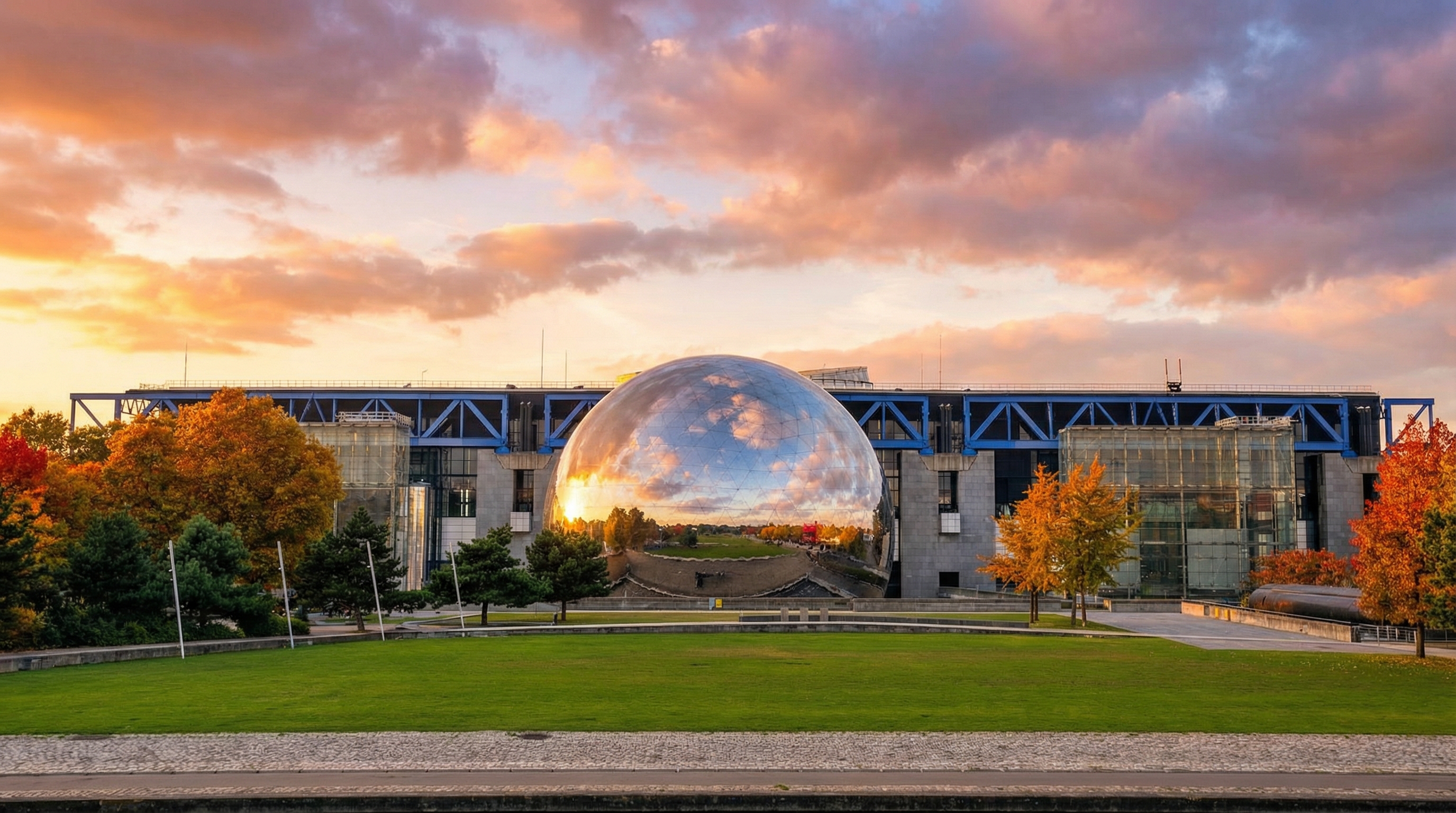
Visiting the Paris Science Museum for curious travelers
Step into a world of hands-on discovery at the Paris Science Museum. This guide covers what to expect, where it is, working times, the best time for visit, funny stories or myths, accessibility details, and how to get guides or audio guides - plus a quick FAQ to help you plan confidently.

Visiting The Pantheon in Paris: location, hours, and tips
Step into one of France’s most awe-inspiring monuments and uncover what makes it unforgettable. This guide covers an overview, exact location, working time, the best time for visit, funny stories or myths, accessibility details, guide and audio guide options, plus a quick FAQ.
Paris classics to pair with your day trip

Your essential Louvre Museum visit plan for Paris
Want to see Paris’ most iconic art without the stress? This guide covers a clear Louvre Museum overview, working time, the best time to visit for shorter lines, fun myths and stories, exact location, accessibility tips, practical FAQs, and how to get guides or audio guides for a smoother experience.

How to Visit Notre Dame Cathedral in Paris: A Practical Guide
Gothic grandeur, legends, and riverside views - Notre Dame Cathedral is a must in Paris. This guide covers an overview, working time, best time for visit, funny stories or myths, exact location, accessibility tips, FAQs, and options for guides or audio guides to help you plan smoothly.

Eiffel Tower Visitor Guide: Hours, Tickets & Best Views
Paris feels different the moment the Eiffel Tower comes into view. This practical guide covers what to expect, working time, the best time for visit, myths and funny stories, exact location, accessibility tips, and whether to get guides or audio guides - plus a quick FAQ to help you plan with confidence.
Quiet, reflective Rome for history and art lovers
How to Visit Saint Mary Major Basilica in Rome
Golden mosaics, quiet chapels, and layered history make this basilica unforgettable. Use this article to pinpoint the entrance and nearest transit, choose the calmest hours, and know what to bring for respectful entry. You’ll also find accessibility notes, audio-guide options, myths, and FAQs for smooth planning.
Everything You Need Before Visiting the Lateran Basilica
Few places feel as powerfully Roman as the Lateran Basilica. Learn exactly where to enter, typical opening hours, and the best time to go for quieter moments. Pack smart with dress-code and photo tips, check step-free access, and decide whether an audio guide is worth it for key chapels and legends.
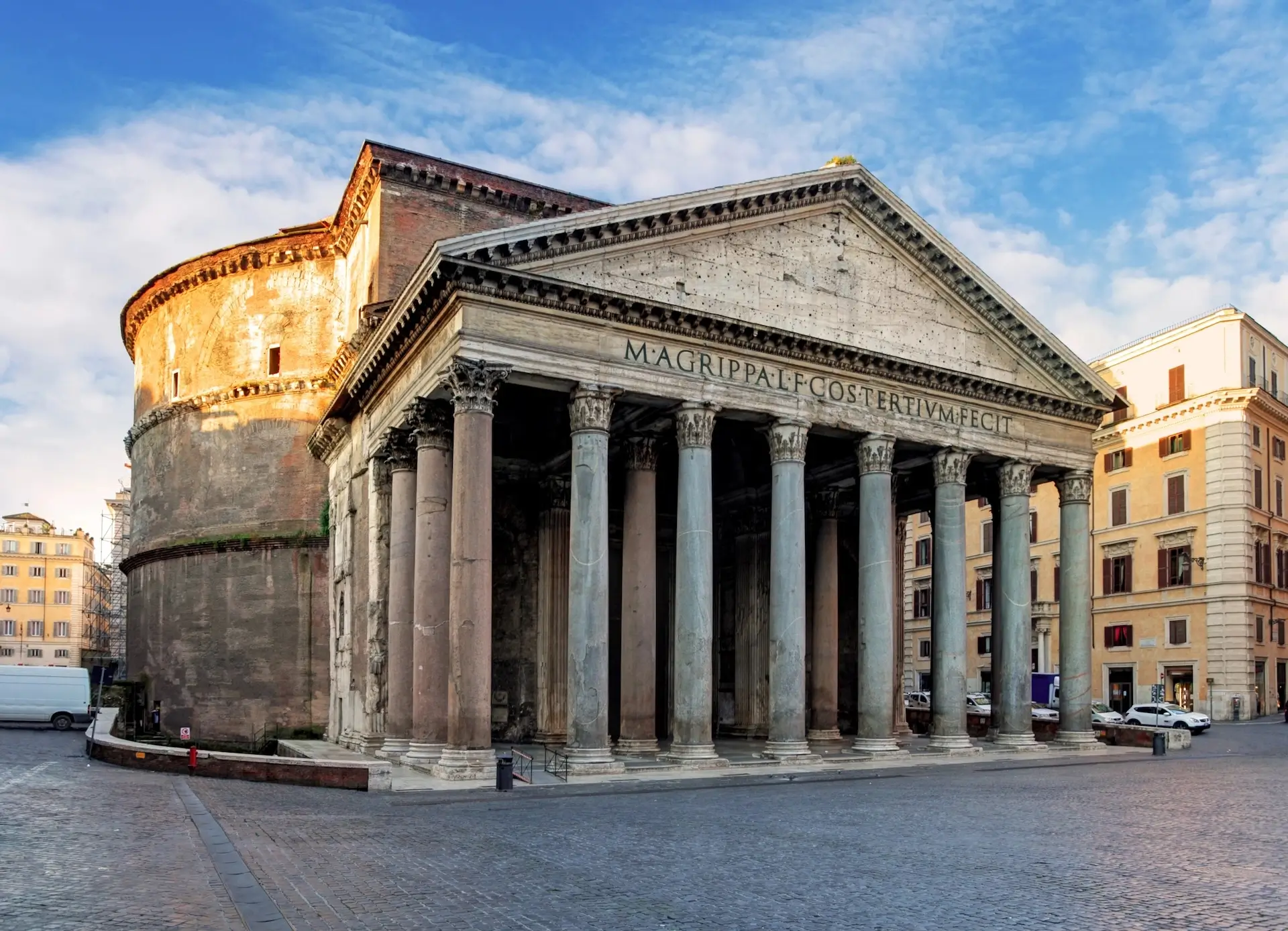
Everything You Need Before Visiting the Pantheon in Rome
One building, two millennia of wonder. This article breaks down where the Pantheon sits, current opening times, and the best hours to avoid crowds. You’ll also get a simple packing checklist, accessibility notes, and whether guided tours or audio guides are worth it, plus myths and quick FAQs.