
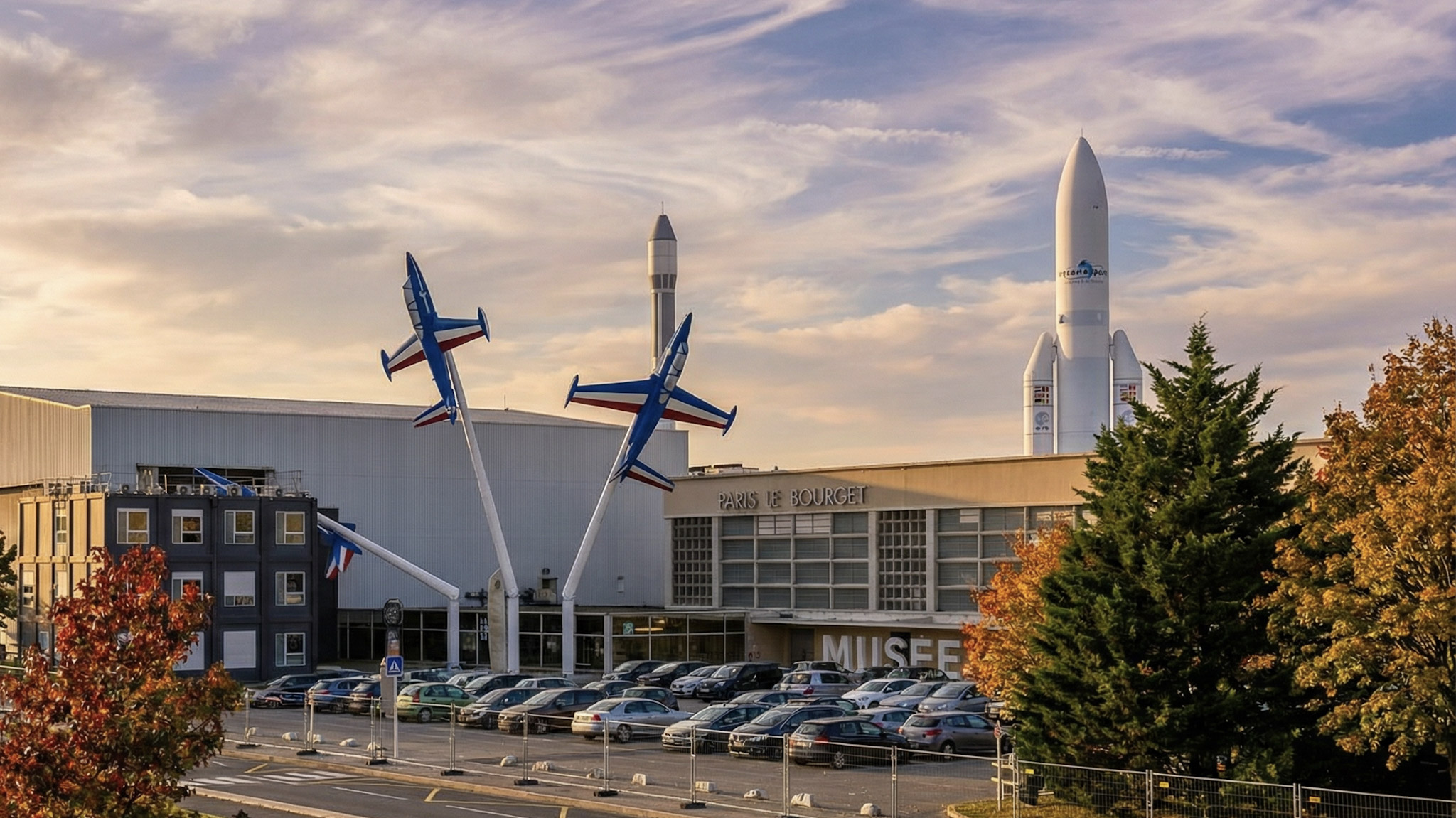
Best Time For Visit
Morning (right at opening)
Late spring (May - June), Early autumn (September - October)
11:00 – 15:30
When to Visit
Arriving at opening gives you the quietest galleries and easiest access to popular aircraft and cockpit-focused exhibits before tour groups and families arrive. Morning light also tends to make the tarmac/outdoor displays (when accessible) more pleasant for photos and walking.
Plan 2 - 4 hours depending on interest. If you want to combine the visit with aircraft-spotting at Le Bourget Airport, mornings often have calmer conditions for viewing and less heat in warmer months.
Seasonal Tips
These shoulder seasons typically balance comfortable temperatures with lower crowd pressure than mid-summer, making indoor exploration and any outdoor/tarmac components more enjoyable. Daylight is still ample, which helps if you want to linger around exterior displays or pair the visit with nearby activities.
Weather: May - June: mild to warm, generally comfortable for walking; September - October: mild, with cooler evenings and fewer heat spikes. Winter can be cold and grey; midsummer can be hot and busier.
For the most relaxed experience, avoid French school holiday periods (especially July - August and late December) and long-weekend public holidays, when family attendance and day-trip visitors rise.
What To Take With You
Seasonal Recommendations
Additional Recommendations
Working Time
Museum of Air and Space (Musée de l’Air et de l’Espace), Le Bourget (Paris area). Opening hours typically vary by season: later closing in summer and earlier in winter; weekends generally follow the season’s closing time. Last entry time is not consistently published; plan to arrive at least 1 hour before closing (earlier if you plan to visit multiple aircraft/exhibits). Hours can change for special events or exceptional closures - verify on the official website before visiting.
Weekly Schedule
Get Guides
The Musée de l’Air et de l’Espace (Le Bourget, Paris region) commonly supports guided visits (especially for groups) via reservation and/or third‑party guides, but dedicated handheld audio-guide rentals are not consistently offered as a standard on-site service. For the most accurate current offer (languages, exact pricing, and booking channels), confirm on the museum’s official website and/or contact their visitor/group service before arrival.
Professional Guides
Varies by provider/group size/duration; typically a paid add-on or private booking (exact official rate not consistently published).
How to book: Book in advance via the museum/organizer’s group visit or cultural mediation/education service when available, or via a licensed third‑party tour/guide platform offering guided visits to Musée de l’Air et de l’Espace (Le Bourget).
Available in French, English (often possible on request, subject to availability)
Mobile Apps
Typically free to download/use; some special content (if offered) may be ticketed separately.
iOS, Android
Virtual Tours
Online/remote visit content is available in some form (e.g., museum website digital content and/or third‑party 360°/Street View style walkthroughs). Availability and scope vary by exhibit and over time.
Location
The Museum of Air and Space (Musée de l’Air et de l’Espace) is located at Le Bourget Airport (Aéroport de Paris - Le Bourget), just northeast of Paris in the commune of Le Bourget, in the Seine-Saint-Denis department (93) of the Île-de-France region. It is not inside the city of Paris proper (so it is not in a Paris arrondissement/district), but it sits immediately beyond the northern edge of Paris and is one of the most important aviation sites in the Paris metropolitan area. Nearby, the museum is closely tied to the historic airfield itself - Le Bourget - famous as the landing site of Charles Lindbergh’s 1927 transatlantic flight and long associated with major air shows and French aviation history. A major nearby attraction is the Parc des Expositions de Paris - Le Bourget, which hosts large trade fairs, events, and periodically the Paris Air Show (Salon International de l’Aéronautique et de l’Espace), one of the world’s premier aerospace exhibitions. A short distance to the southwest is the large green space of Parc de la Villette (in Paris’s 19th arrondissement), home to cultural venues such as the Cité des Sciences et de l’Industrie and the Philharmonie de Paris, making the wider area appealing for visitors interested in science, technology, and culture. What makes this part of the region special is its connection to modern industrial and transport history: the northern Paris area has been a gateway for aviation, logistics, and major international events, and Le Bourget remains a symbolic hub for French aerospace. It is worth visiting because the museum combines landmark aviation architecture (historic airport buildings) with extensive aircraft and space collections in an authentic airfield setting - offering a different perspective from central Paris and a strong sense of France’s role in aviation and space exploration.
Funny Stories or Myths
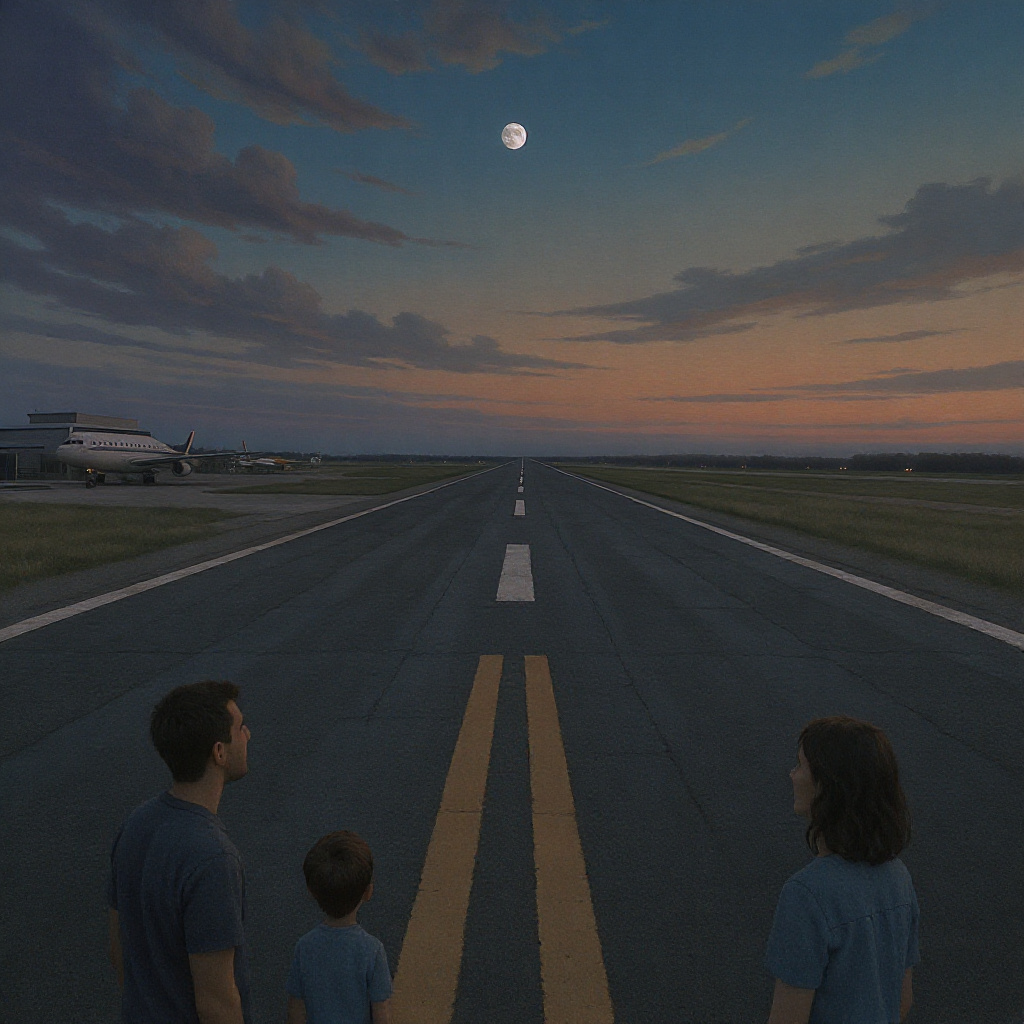
The Runway That “Leads to the Moon”
Visitor legend
A playful visitor tale says that if you stand at the right spot on the airfield and look straight down the long runway, it feels like it points all the way to the Moon. Families joke that the museum’s outdoor aircraft are simply “parked” there waiting for a night-time departure. Of course, it’s just perspective, open space, and a bit of imagination - but it’s a favorite way to spark kids’ curiosity before they even enter the galleries.
This kind of story grew naturally from the museum’s location at Le Bourget, where wide runway views and aviation history make it easy to daydream about faraway destinations. Tour guides and parents sometimes encourage the idea as a fun way to introduce the theme of flight and exploration.
It turns a simple stroll outside into a mini adventure and makes photos feel more magical - people love trying to find the “perfect angle” where the runway seems endless.
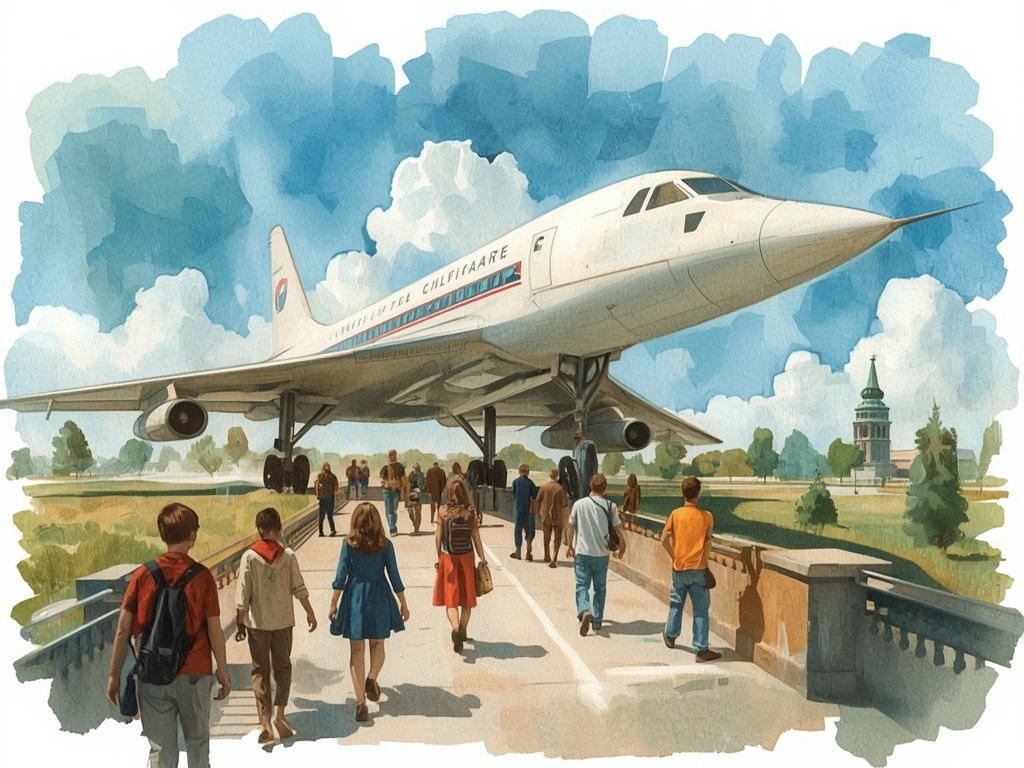
The Concorde “Time-Travel Trick”
Humorous rumor
A lighthearted rumor says that stepping into the Concorde exhibit makes time behave differently - gr...
The “Hangar Whisper” of Inventors
Playful myth
Some visitors jokingly claim the big halls have a special echo that carries good ideas. The story go...

The “Selfie That Makes You Look Like a Pilot” Spot
Modern visitor anecdote
A cheerful, unofficial tradition says there’s always one spot near certain aircraft where photos com...
Frequently Asked Questions
It’s the Musée de l’Air et de l’Espace, France’s main aviation and space museum, located at Paris - Le Bourget Airport (Aéroport de Paris-Le Bourget), just north of Paris.
Common route: Metro line 7 to La Courneuve - 8 Mai 1945, then bus 152 toward Le Bourget (Musée de l’Air et de l’Espace). RER B to Le Bourget station plus a bus/tram/taxi can also work. Allow extra time for transfers and check current schedules/works before you go.
Weekdays outside French school holidays are usually calmest. Arrive near opening time for the best experience, especially if you want to see cockpits or popular aircraft up close.
Plan 2 - 4 hours for the main galleries; aviation/space enthusiasts often spend a half-day. Add time for any special exhibitions or guided activities.
Visitors often prioritize historic aircraft and jets, Concorde exhibits (when accessible), and the space galleries with rockets/spacecraft-related displays. The museum also has areas focusing on the history of flight and aviation technology.
Advance booking is recommended on weekends, holidays, or during temporary exhibitions. If you want specific experiences (e.g., cockpit visits or special tours), reserve ahead when offered.
Yes - many exhibits are visually impressive and engaging for kids. Check the museum’s calendar for family activities, workshops, or guided visits designed for younger visitors.
Bring comfortable walking shoes, a light jacket (some hangars can feel cool), and a charged phone/camera. If visiting with kids, snacks/water can be helpful - follow on-site rules about eating in exhibition areas.
Large museums typically offer step-free access to many areas, but access can vary by hangar/exhibit and temporary works. Check the official accessibility info before visiting if you need elevators, ramps, or adapted facilities.
Check opening days/hours and security rules before you go (it’s at an airport site). Start with the main hall/hangars, then move to space exhibits. Leave time for the museum shop and any outdoor aircraft areas if open.
Aviation and science stops for nerdy days
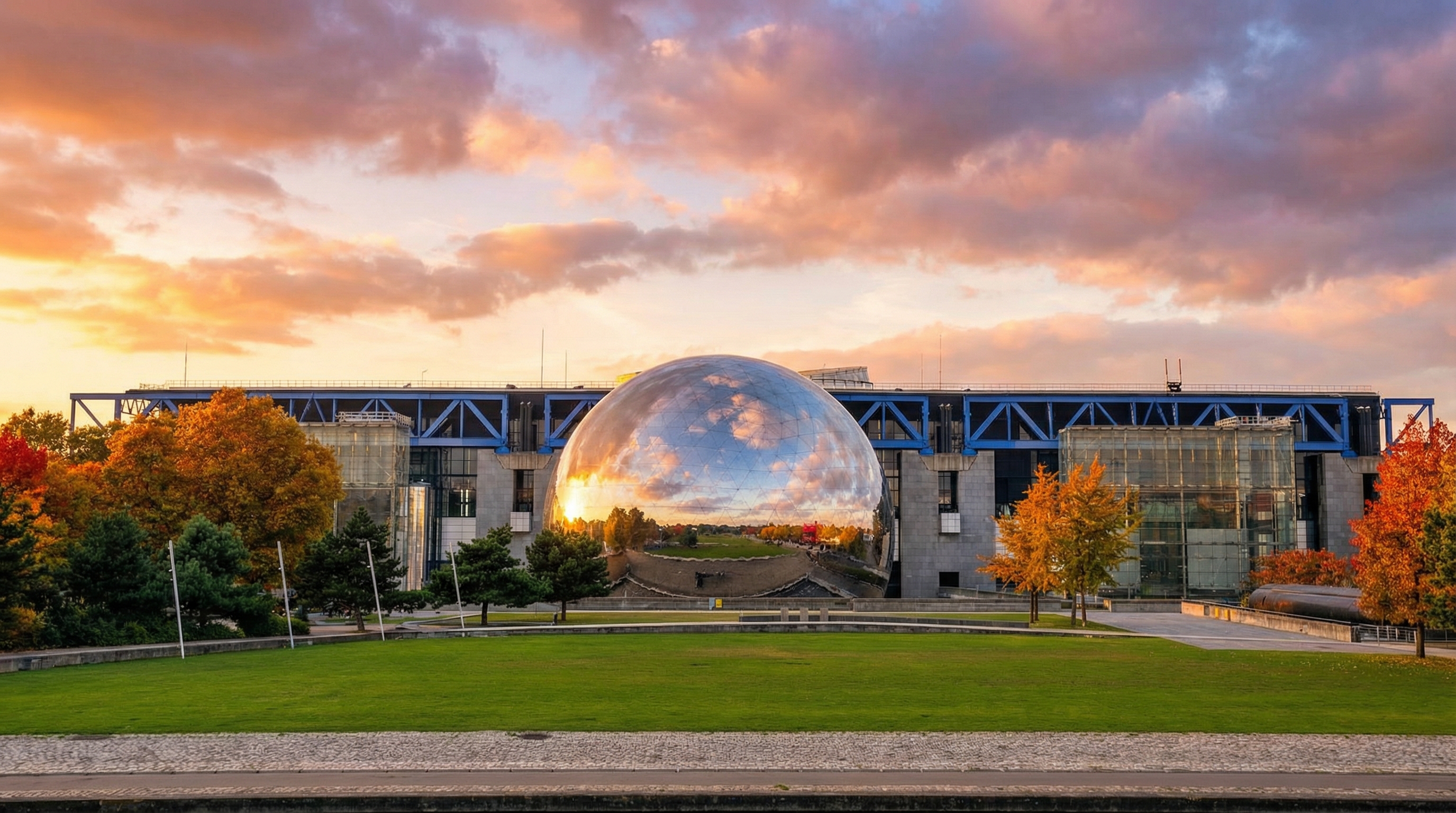
Visiting the Paris Science Museum for curious travelers
Step into a world of hands-on discovery at the Paris Science Museum. This guide covers what to expect, where it is, working times, the best time for visit, funny stories or myths, accessibility details, and how to get guides or audio guides - plus a quick FAQ to help you plan confidently.

Visiting Musée de l'Ordre de la Libération in France
Step into a powerful chapter of wartime history at the Musée de l'Ordre de la Libération. This guide covers what to expect, exact location, working time, the best time to visit, fun myths, accessibility details, and whether you can get guides or audio guides - plus a handy FAQ to plan smoothly.

Visit the Museum of the Army and Napoleon’s Tomb
Step into France’s epic military past beneath the golden dome of Napoleon’s final resting place. This guide covers an Overview, exact Location, Working Time, Best Time For Visit, Funny Stories Or Myths, Accessibility details, and options to get Guides Or Audio Guides - plus a quick FAQ to help you plan with confidence.
Plan a classic Paris day after takeoff

Your essential Louvre Museum visit plan for Paris
Want to see Paris’ most iconic art without the stress? This guide covers a clear Louvre Museum overview, working time, the best time to visit for shorter lines, fun myths and stories, exact location, accessibility tips, practical FAQs, and how to get guides or audio guides for a smoother experience.
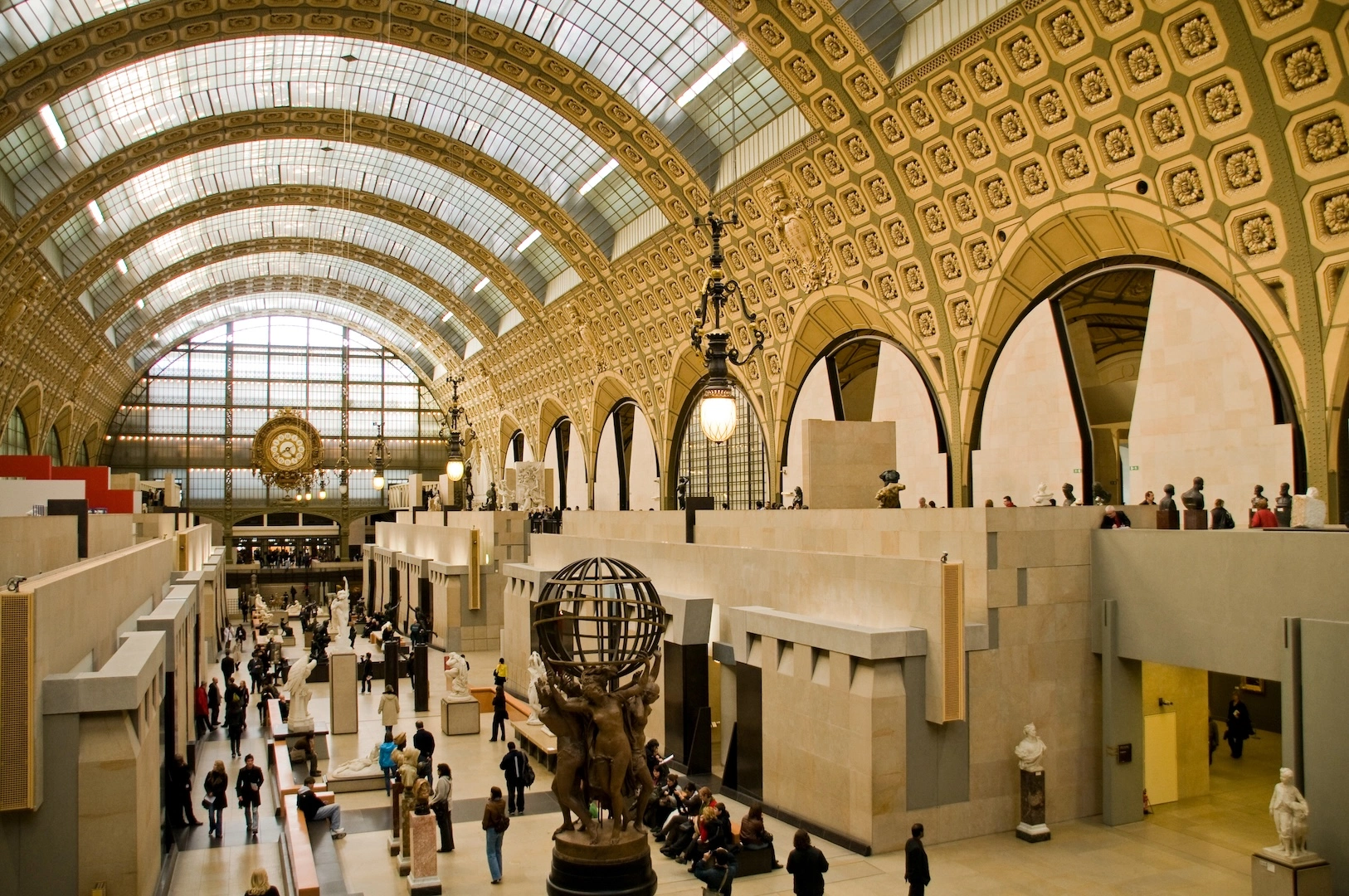
Your Complete Guide to the Orsay Museum in Paris
Step into a former railway station turned art icon. This guide covers the Orsay Museum Paris overview, working times, the best time to visit, and fun myths. Find location details, accessibility tips, FAQs, and how to get official guides or audio guides for a smoother, richer visit.

Eiffel Tower Visitor Guide: Hours, Tickets & Best Views
Paris feels different the moment the Eiffel Tower comes into view. This practical guide covers what to expect, working time, the best time for visit, myths and funny stories, exact location, accessibility tips, and whether to get guides or audio guides - plus a quick FAQ to help you plan with confidence.
Rome’s biggest open-air ancient arenas and sites
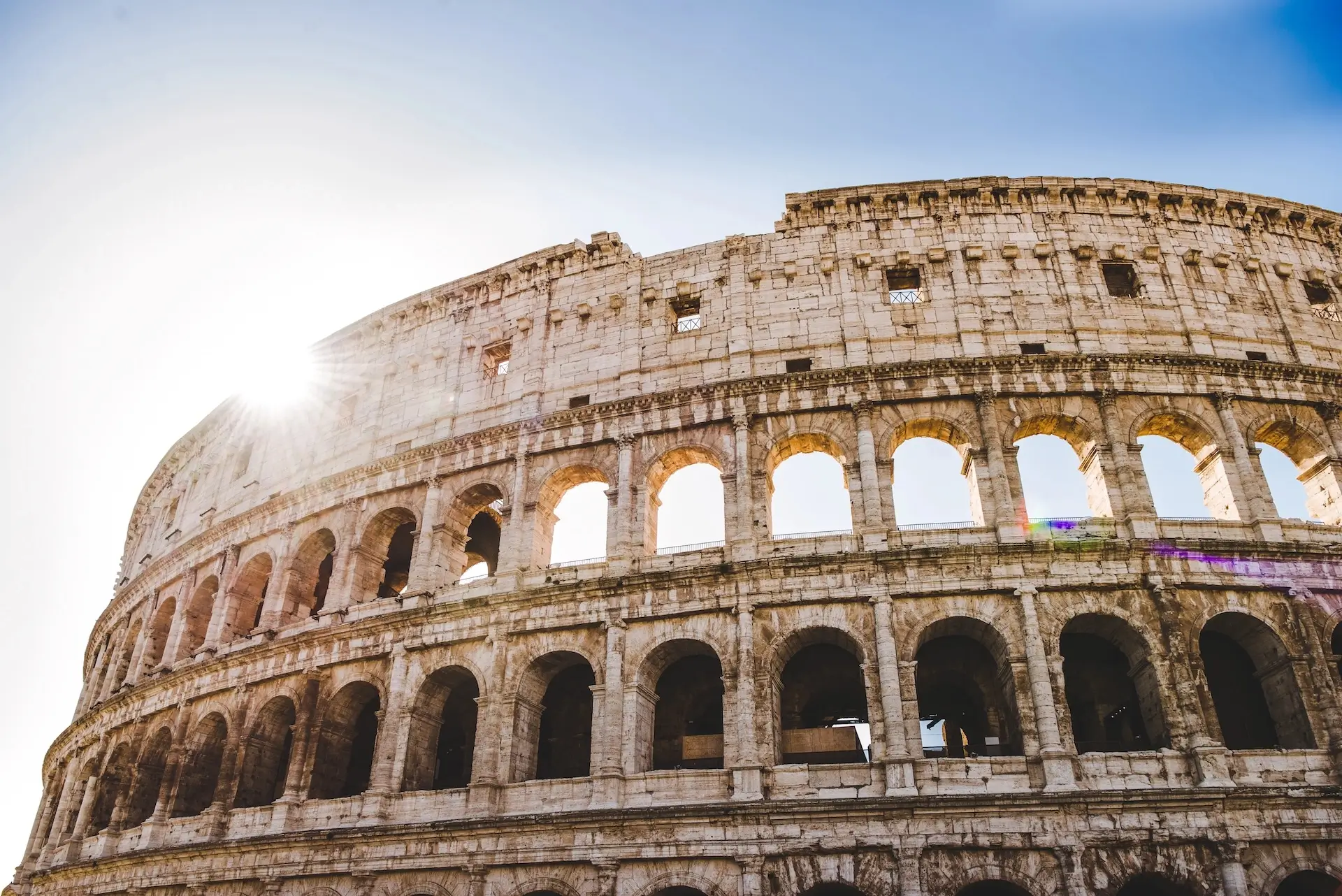
Everything You Need Before Visiting the Colosseum
Few places make ancient history feel this close. Use this article to pinpoint entrances, map the easiest routes from key transit stops, and choose the best hours to avoid peak crowds. Get packing pointers, accessibility details, plus guidance on guided tours or audio options and quick FAQs.
Everything You Need Before Visiting Circus Maximus
Feel history under open sky where chariots once thundered. This article covers where the site sits, ideal seasons, what to pack, and easy access details. You’ll also get myth-filled anecdotes, tips on audio tours or local guiding, plus quick FAQs to streamline your stop.

Everything You Need Before Visiting the Roman Forum
Few places make antiquity feel this immediate. This article explains where the ruins sit, opening hours, ideal seasons, what to bring, and how to handle uneven paving. You’ll also get myth-filled anecdotes, accessibility notes, plus tips on hiring guides or using audio tours.