
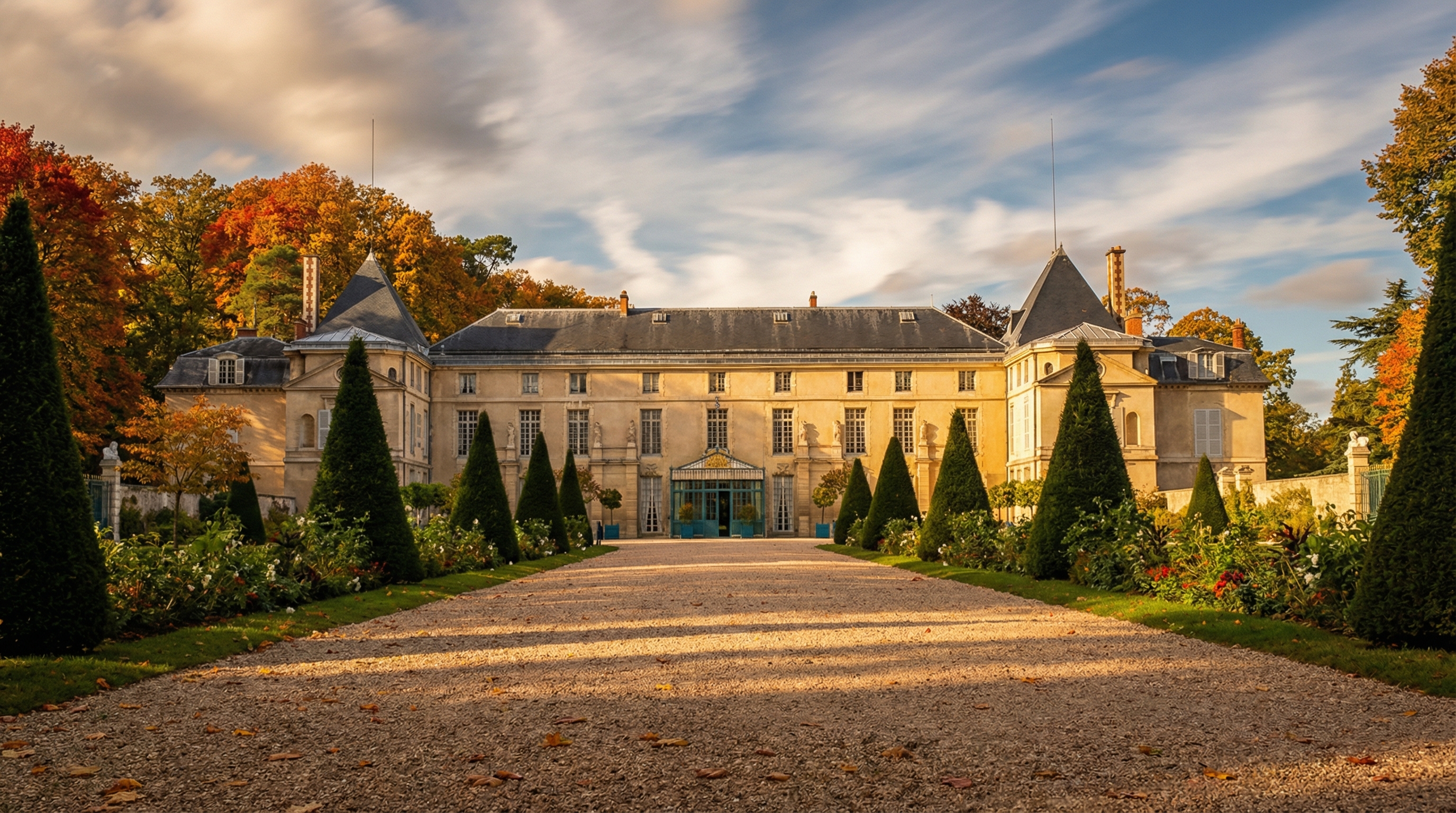
Best Time For Visit
Morning (right at opening time)
Late spring (May - June), Early autumn (September - early October)
11:00 – 14:00
When to Visit
You’ll encounter the fewest visitors, quieter gallery rooms, and shorter ticket/security checks, which makes it easier to appreciate the interiors and Napoleon/Joséphine-era collections without crowding.
Aim to arrive 10 - 15 minutes before opening to be among the first inside. If you’re photographing the exterior and gardens, morning light is often softer and helps avoid harsh midday contrast.
Seasonal Tips
These shoulder seasons typically balance comfortable temperatures with pleasant garden scenery, while avoiding the densest summer tourism peaks in the Paris region.
Weather: Late spring is usually mild and bright with fresh greenery and more frequent blooms; early autumn is often comfortably cool with stable daylight and potential autumn color in the grounds.
If gardens and outdoor ambiance matter most, late spring is usually the most scenic (blooming and lush planting). If you prefer calmer visits with fewer family-group peaks than summer, early autumn is often ideal while still offering good weather.
What To Take With You
Seasonal Recommendations
Additional Recommendations
Working Time
Hours shown are for the Musée national des châteaux de Malmaison et Bois-Préau (Château de Malmaison). Typical last admission is 45 minutes before closing; plan to arrive by ~16:45. The museum is generally open on weekends and most French public holidays, but closed on Tuesdays and the listed fixed-date closures.
Weekly Schedule
Location
The Palace of Malmaison (Château de Malmaison) is located in the commune of Rueil-Malmaison in the western suburbs of Paris, in the Hauts-de-Seine department (Île-de-France region), rather than within the administrative districts (arrondissements) of the City of Paris itself. It sits in a quiet, green residential area a short distance west of central Paris, historically associated with country estates and riverside landscapes along the Seine. Nearby notable places include the Seine riverbanks and parks of western Paris, the business district of La Défense (to the northeast), the former royal domain and gardens at Saint-Germain-en-Laye (to the northwest), and the large green spaces and wooded areas of the Bois de Boulogne (closer to Paris). In Rueil-Malmaison itself, the town center and its church square provide a pleasant local contrast to the palace grounds, and the surrounding neighborhoods reflect the area’s long-standing reputation as a more tranquil, garden-like edge of the capital. What makes this part of the region special is its blend of Parisian proximity with a calmer, more spacious setting - an atmosphere that helps explain why it attracted prominent historical figures seeking a retreat from the city. Malmaison is especially worth visiting for its strong Napoleonic-era associations (it is famously linked to Joséphine de Beauharnais and Napoleon Bonaparte), its museum displays, and its landscaped gardens, offering a historically rich outing that feels distinctly different from the dense urban core of Paris.
Funny Stories or Myths
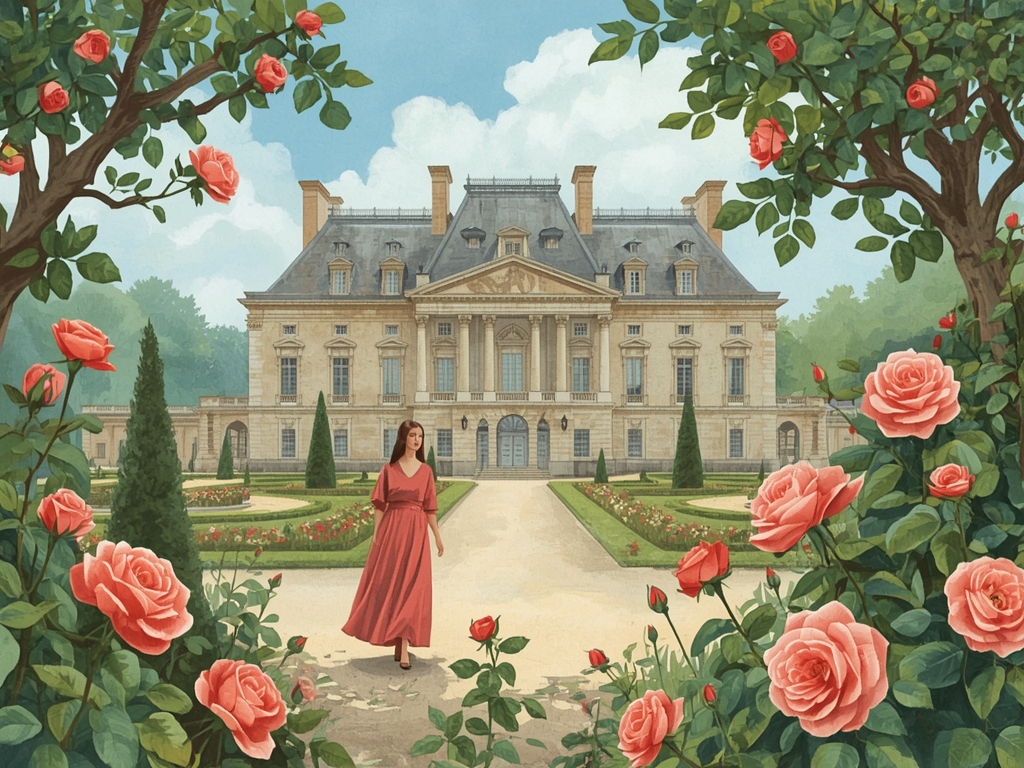
The “Rose Whisper” of Malmaison
Folklore-style visitor legend
Visitors sometimes hear a playful claim that the roses at Malmaison seem to “lean in” toward anyone who compliments them. The tale says the garden rewards polite praise by offering its sweetest fragrance right when you step near a bloom, as if the plants are listening and responding.
Malmaison became famous for its gardens and especially for rose collecting and experimentation in the early 1800s. Over time, guides and garden-lovers turned that reputation into a light, imaginative story about the roses having “good manners” and a sense of humor.
It encourages families to slow down, look closely at the flowers, and try a “compliment test,” making the garden visit feel interactive and memorable.

The Château That Loved Too Many Pets
Historical anecdote (often embellished in retelling)
A cheerful rumor says Malmaison was once so fond of animals that the house and grounds felt like a v...
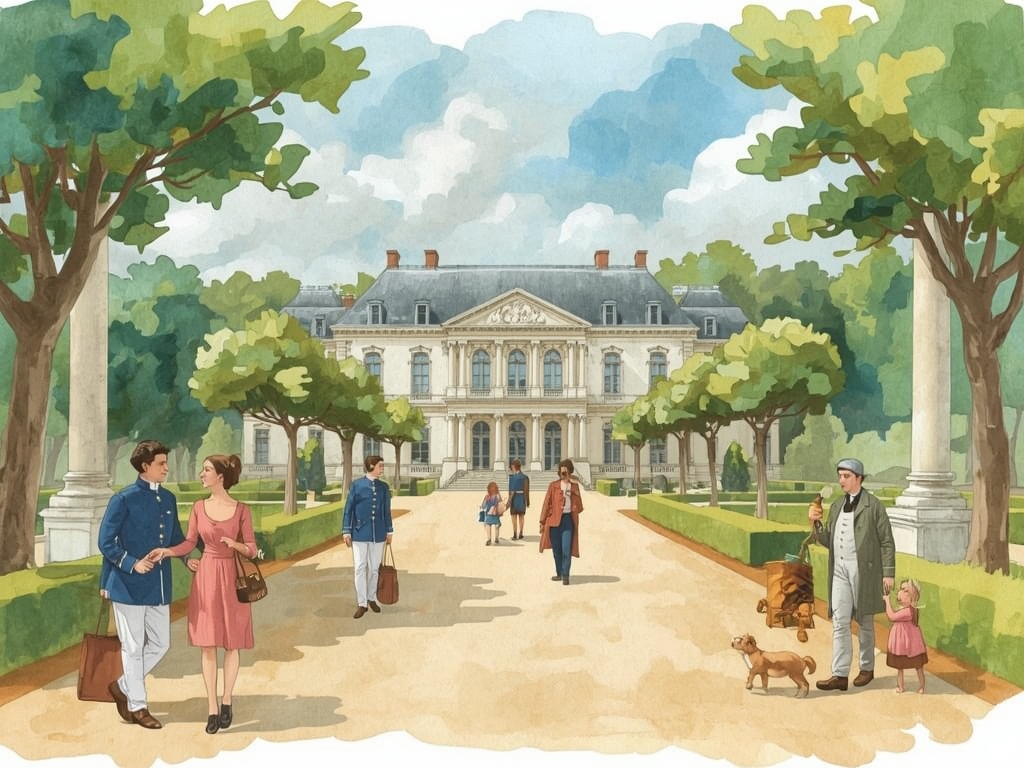
The “Napoleonic Shortcut” That Never Quite Works
Modern tourist humor / fictional rumor
A playful visitor myth claims there’s a perfect route through Malmaison - an almost magical shortcut...
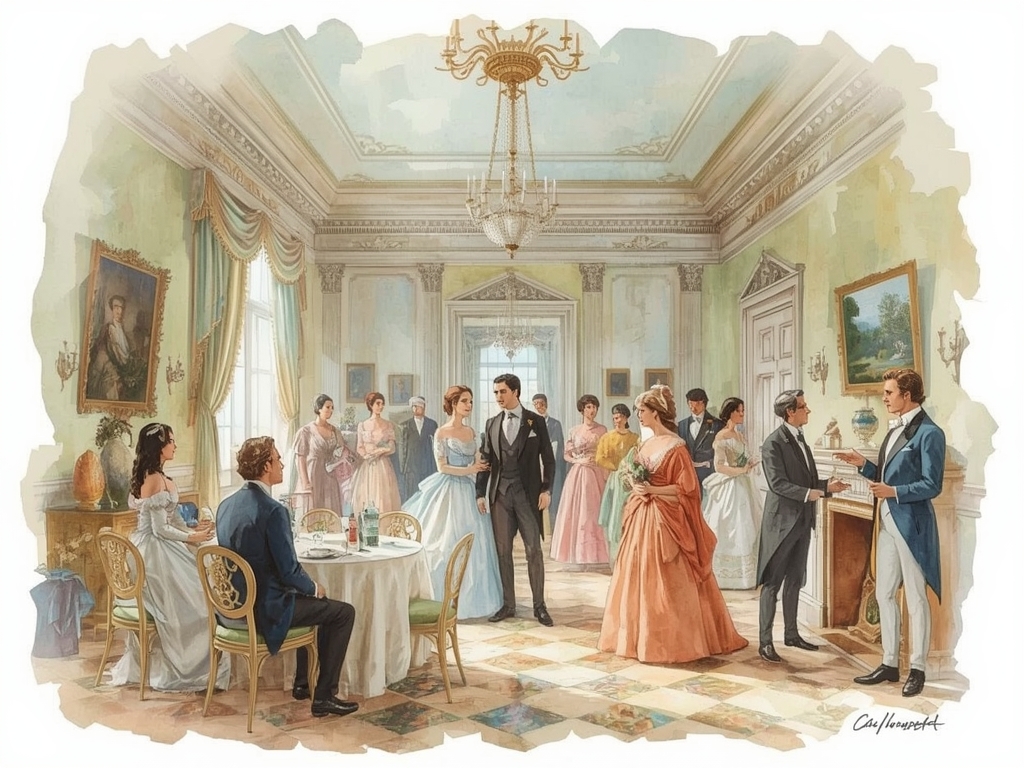
The Salon of Perfect Politeness
Place-based charm tale
An amusing legend says one particular salon at Malmaison is so well-mannered that it quietly improve...
Frequently Asked Questions
The Château de Malmaison is in Rueil-Malmaison, west of Paris (Hauts-de-Seine). From central Paris, take RER A toward Saint-Germain-en-Laye and get off at Rueil-Malmaison, then continue by bus or a short taxi/ride-hail; you can also go by Métro to La Défense and connect to RER A.
Hours vary by season, and the museum is commonly closed one day per week and on some public holidays. Check the official Château de Malmaison website (or the French national museums listings) for the exact hours and closure days on your travel date.
Advance booking is recommended on weekends, holidays, and during peak tourist months to secure your preferred entry time and avoid queues. If booking isn’t available for your date, arrive early for the first entry slots.
Go in the morning (opening hours) or late afternoon for lighter crowds. Spring and early autumn are ideal for pleasant weather and enjoying the gardens; mid-summer and school holidays tend to be busiest.
Plan about 1.5 - 2.5 hours for the palace interiors plus time for the gardens; add extra time if you enjoy reading exhibits or taking photos.
Focus on the Napoleonic-era furnished rooms associated with Empress Joséphine, period décor and artworks, and exhibits that illustrate daily life and political culture during the Consulate and Empire.
The grounds are a key part of the experience: landscaped gardens and paths that reflect Joséphine’s passion for botany and collecting. They’re best enjoyed in good weather, especially when plants are in bloom.
Often yes (depending on the day and staffing). Check on-site or online for guided-visit schedules and language options; an audio guide or leaflet is commonly offered to help you follow the main rooms and story.
A convenient half-day route is: Paris → La Défense (easy transit hub) → RER A to Rueil-Malmaison → palace visit → stroll in the town center or nearby parks, then return. If you like a full-day plan, combine with La Défense’s architecture or a Seine-side walk in the western suburbs.
Bring comfortable walking shoes (gardens), a light rain layer, and water; in summer, sun protection helps outdoors. Expect standard museum rules (no flash in some rooms, bags may be checked). Accessibility can be limited in historic interiors; check the official site for step-free access details and any temporary restrictions.
Imperial stories in Rome: power, art, and legacy
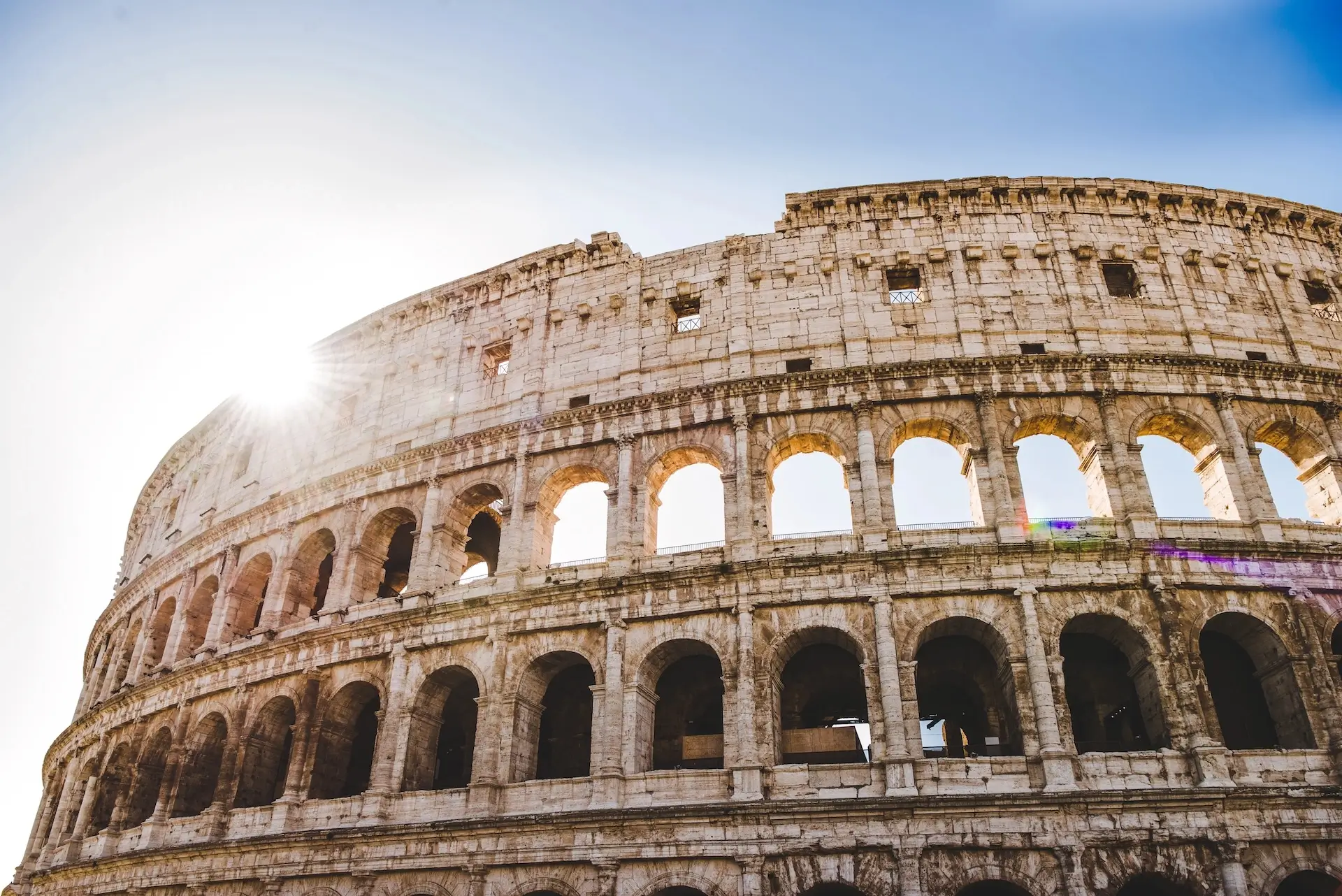
Everything You Need Before Visiting the Colosseum
Few places make ancient history feel this close. Use this article to pinpoint entrances, map the easiest routes from key transit stops, and choose the best hours to avoid peak crowds. Get packing pointers, accessibility details, plus guidance on guided tours or audio options and quick FAQs.
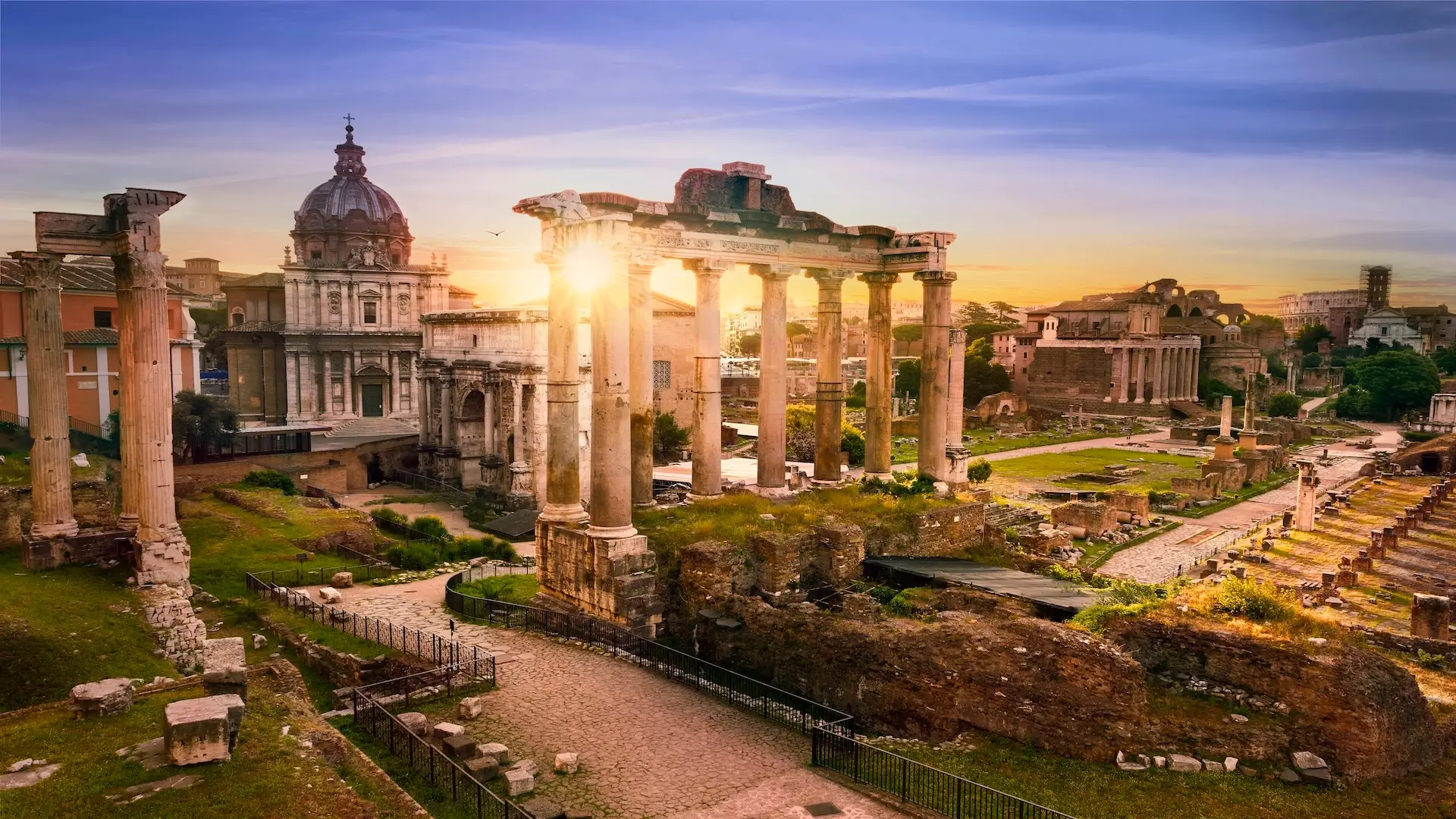
Everything You Need Before Visiting the Roman Forum
Few places make antiquity feel this immediate. This article explains where the ruins sit, opening hours, ideal seasons, what to bring, and how to handle uneven paving. You’ll also get myth-filled anecdotes, accessibility notes, plus tips on hiring guides or using audio tours.
Everything You Need Before Visiting Capitoline Museums
Rome’s oldest public museum hides big surprises on Capitoline Hill. Get clear directions, opening hours, and the smoothest time slots, plus what to pack and how long to stay. Learn about step-free routes, onsite facilities, and whether an audio guide or live expert suits your style.