
Best Time For Visit
Morning (opening time to late morning)
Late spring (May - June), Early autumn (September - early October)
11:30 – 15:30
When to Visit
You’ll get the calmest atmosphere for exploring the abbey ruins, chapel frescoes, and museum collections, with softer light for photos and generally fewer visitors than midday. Temperatures are also more comfortable for walking the grounds, especially in warmer months.
Aim to arrive right at opening for the quietest experience. Late morning (before lunch) is a good second choice if you can’t make opening time. Afternoon can feel busier and warmer, while evenings are typically not applicable unless there is a special event with extended hours.
Seasonal Tips
These shoulder seasons usually offer the best combination of pleasant temperatures, greener landscapes, and fewer crowds than peak summer. The gardens/parkland are at their most enjoyable for strolling, and photography conditions are often excellent.
Weather: Late spring: mild to warm days, fresher mornings, occasional showers. Early autumn: mild days, cooler evenings, generally comfortable walking weather; changing foliage can add scenic interest.
Summer (July - August) tends to be the busiest and can be hot, making outdoor sections less comfortable - visit early in the day if coming then. Winter is quietest but can be cold, damp, and less scenic in the gardens; however, it can be ideal if you prioritize crowd-free indoor viewing.
What To Take With You
Seasonal Recommendations
Additional Recommendations
Working Time
Hours can vary by season; the abbey, museum areas, and park/gardens may have different last admission times. Plan to arrive at least 45 - 60 minutes before closing (last entry is often earlier than closing). Verify same-day hours during special events or private closures.
Weekly Schedule
Location
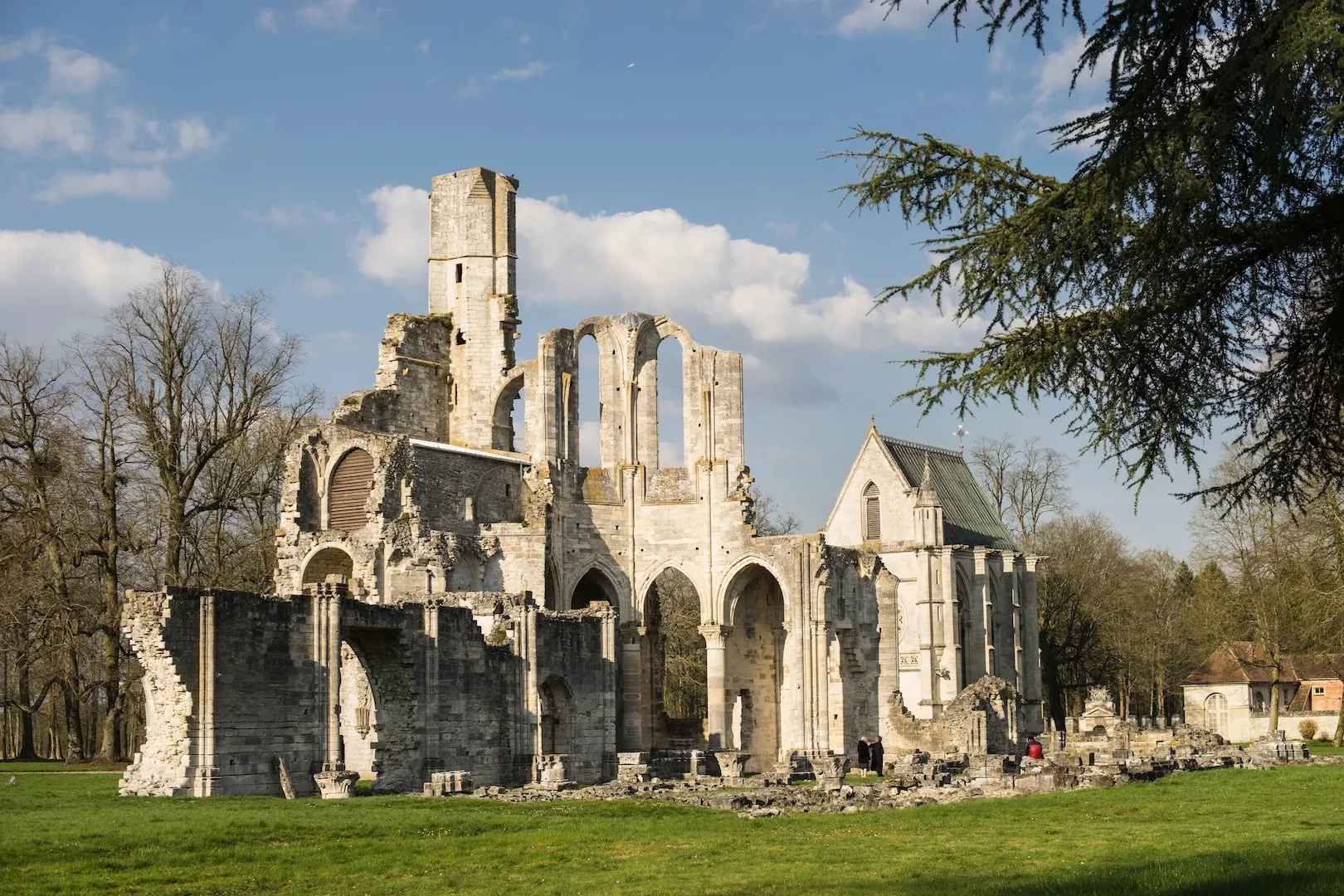
Abbaye Royale de Chaalis is not in Paris proper; it is a historic abbey site located in the Hauts-de-France region, in the Oise department, near the village of Fontaine-Chaalis (often addressed around 60300 Fontaine-Chaalis), roughly 40 - 50 km northeast of central Paris. It lies in a wooded, rural setting on the edge of the Parc naturel régional Oise - Pays de France, making it feel very different from the city - quiet, green, and ideal for a cultural day trip. District / administrative area (closest equivalents): - Not in a Paris arrondissement. Administratively it is in Oise (60), Hauts-de-France, within/near the Senlis - Chantilly area. Notable places nearby (easy to combine in one itinerary): - Domaine de Chantilly (Château de Chantilly, gardens, and the Musée Condé), one of France’s most celebrated château-and-art destinations. - The medieval town of Senlis, known for its cathedral, preserved old streets, and small museums. - Forêt d’Ermenonville and surrounding countryside, offering walking trails and a classic northern-French woodland landscape. - Parc Astérix (theme park) is also in the wider vicinity, making the area a popular family outing zone. What makes the area special / why it’s worth visiting: - It offers a “beyond Paris” contrast: an abbey ruin and estate atmosphere surrounded by forest and historic towns, while still being close enough for a comfortable day trip from Paris. - The site is known for its romantic monastic remains and for the Musée Jacquemart-André de Chaalis, with notable artworks and decorative interiors (including Renaissance-style frescoes), along with peaceful grounds that are particularly appealing in spring and early summer. - The broader region (around Chantilly and Senlis) is one of the most rewarding cultural landscapes near Paris: high-density heritage (châteaux, cathedrals, abbeys) set in scenic parkland and forest, making it ideal for travelers who want history and nature in the same outing.
Funny Stories or Myths
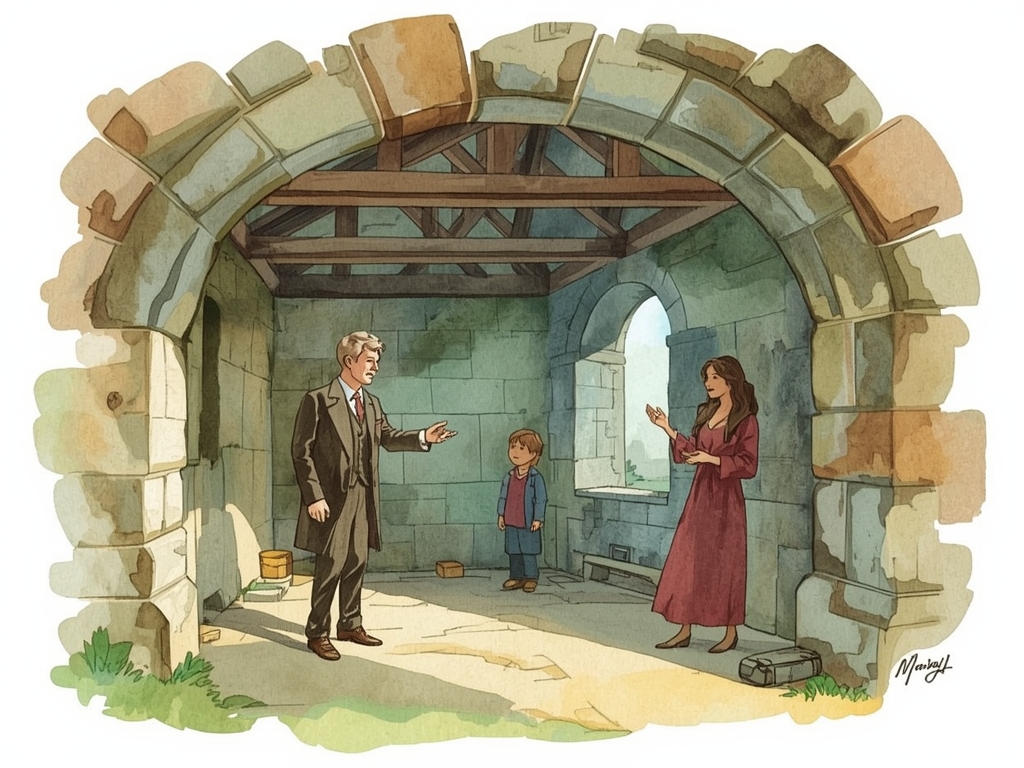
The “Chaalis Echo” that repeats only the last word
Playful visitor legend
Visitors sometimes joke that certain corners of the old abbey seem to “answer back.” The playful claim is that if you whisper a sentence in the right spot, the building repeats only your last word - as if the stones are politely letting you have the final say. Guides may invite families to test it with silly words and then laugh at how the space seems to bounce the sound around in unexpected ways.
This likely comes from the way sound carries and reflects in historic masonry rooms and arches. Over time, casual observations turned into a lighthearted “rule” that the abbey echoes the last word, not the whole phrase.
Encourages visitors to explore quietly and listen closely, making the ruins and rooms feel interactive and memorable - especially for children who enjoy “talking” with the building.
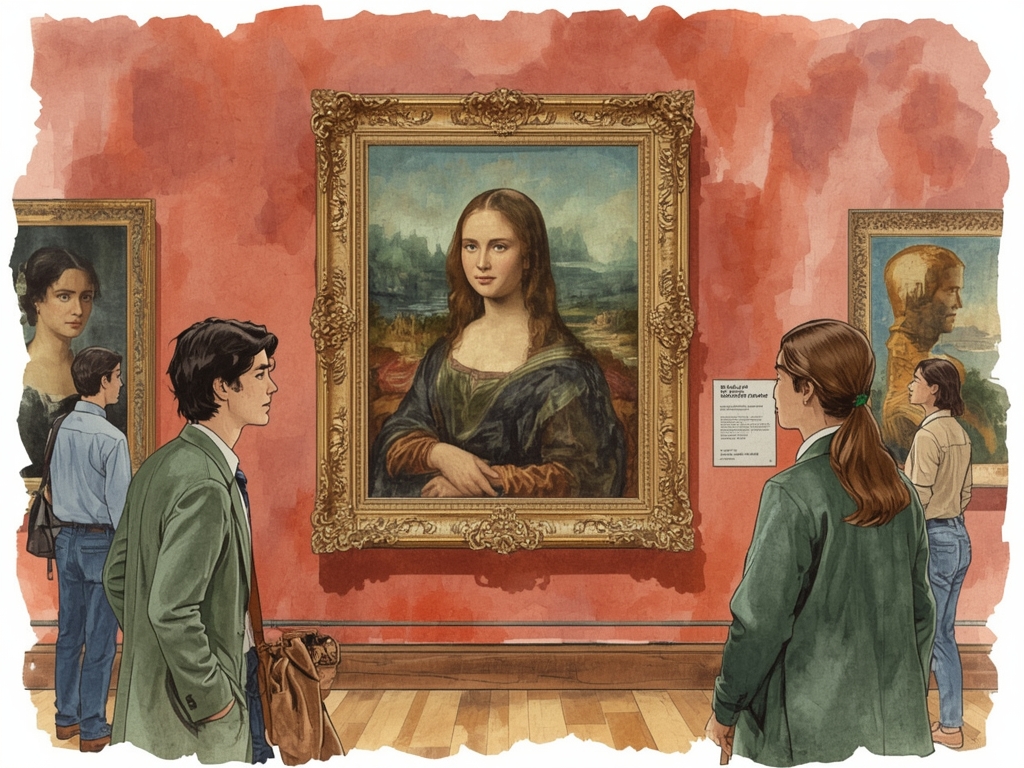
The painting that “follows” you with a knowing glance
Museum rumor
In the museum spaces associated with Chaalis, people sometimes swap a classic rumor: one portrait se...
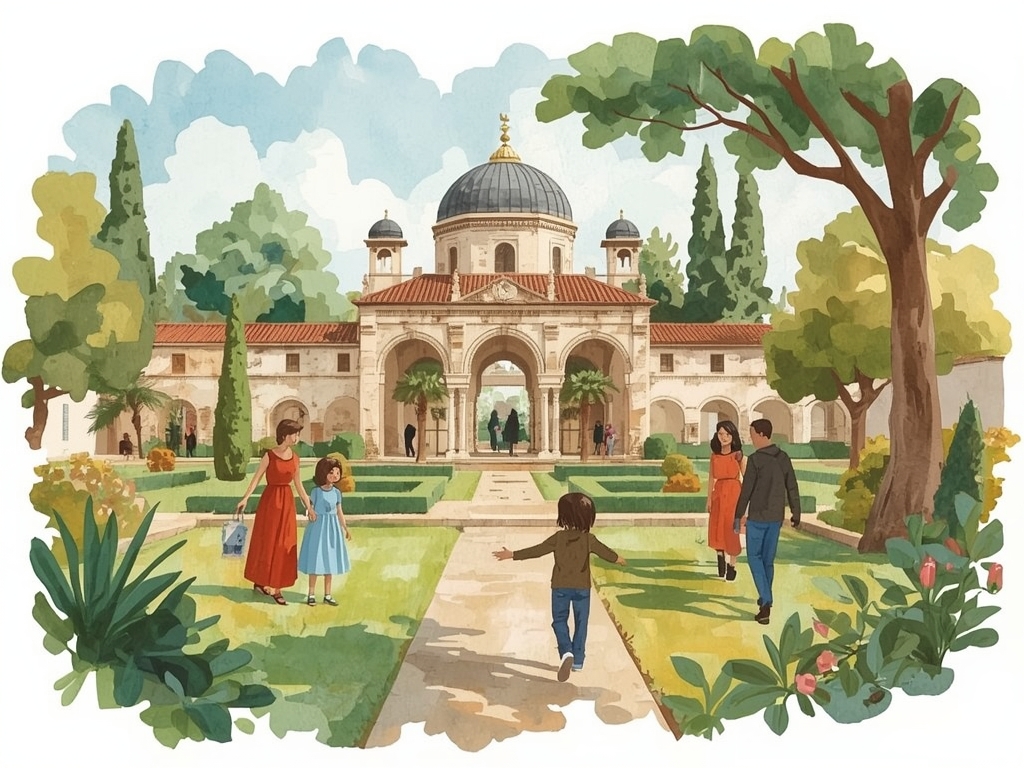
The “Lost Day of Chaalis” that slips by in the gardens
Lighthearted folklore
A cheerful local-style saying claims that time moves differently in the Chaalis grounds: you arrive ...
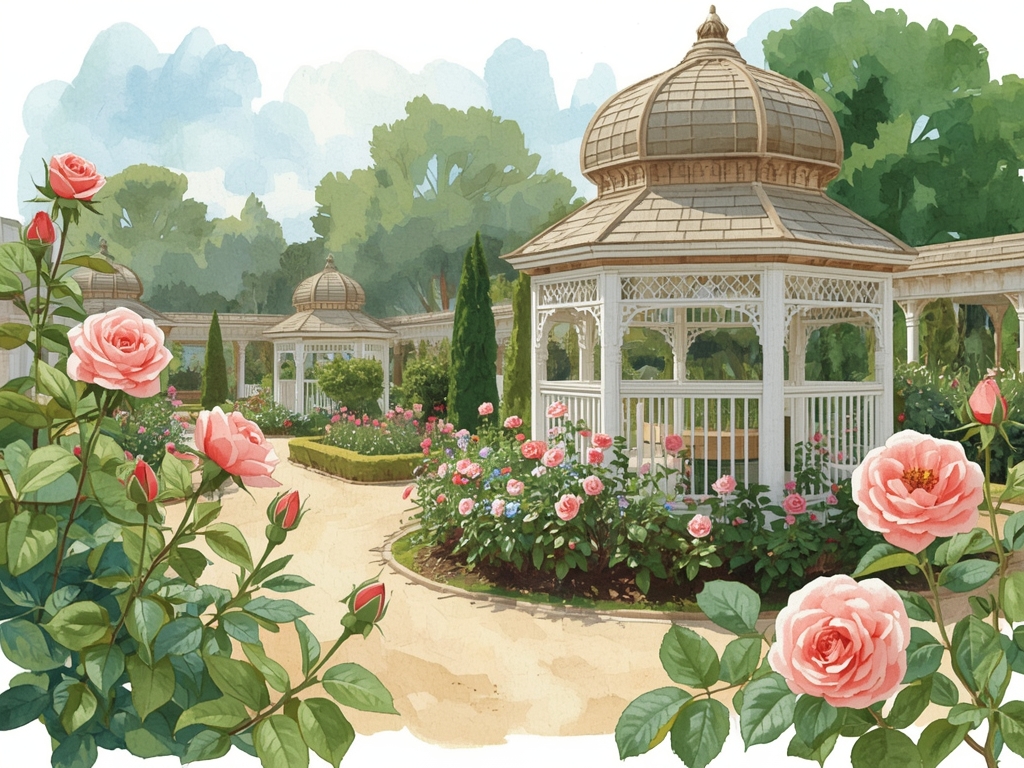
The “Polite Roses” that bloom their best for compliments
Garden whimsy
A family-friendly garden tale says the roses at Chaalis respond to praise. According to the joke, if...
Frequently Asked Questions
It’s in Fontaine-Chaalis (Oise, Hauts-de-France), about 45 - 60 km north of central Paris, in the Ermenonville forest area. It’s commonly visited as a day trip from Paris rather than being within the city.
Key features include the romantic abbey ruins, the 18th-century château museum (Musée Jacquemart-André de Chaalis), the rose garden, parkland walks, and the chapel with notable Renaissance frescoes (including works by Primaticcio).
Plan around 2 - 3 hours for the museum, chapel, ruins, and gardens; allow 3 - 4 hours if you want a relaxed visit with longer walks and photo stops.
Late spring to early summer is ideal for the gardens, especially rose season (typically May - June). Autumn offers quieter paths and foliage; winter can feel atmospheric but with fewer blooms and shorter daylight.
Arrive near opening time on weekdays when possible. Weekends and holiday periods are busier, especially in late spring and early summer.
Driving is usually the simplest (about 1 hour, depending on traffic). Public transport is possible but less direct - typically train from Paris to a nearby station (e.g., Senlis/Creil area) plus taxi/ride-share; check current routes and last returns before you go.
A common day route is Abbaye de Chaalis + the nearby village/forest of Ermenonville. If you have more time, pair it with Senlis (historic town) for a full-day itinerary.
Comfortable walking shoes (paths and grounds), a light rain layer, water, and sun protection in warmer months. If visiting in rose season, a camera/phone with extra battery is handy.
It’s family-friendly, with open grounds and gardens. Accessibility can be mixed due to historic buildings, uneven paths, and ruins; if you need step-free access, confirm current accessibility arrangements with the site before visiting.
Rules can vary by area: photography may be restricted in some interiors, and pets are often limited (especially inside buildings). Picnicking may be allowed only in designated outdoor areas. Check the latest visitor rules on the official site before you go.
Ancient and sacred escapes around Rome’s center
Everything You Need Before Visiting Caracalla Baths
Step into a colossal ancient complex where echoes of imperial leisure still linger. Get clear directions, opening hours, and the smartest time to go, plus what to pack for sun and uneven stone. Learn about accessibility, on-site audio options, quick FAQs, and a few myths to share afterward.
Everything You Need Before Visiting the Lateran Basilica
Few places feel as powerfully Roman as the Lateran Basilica. Learn exactly where to enter, typical opening hours, and the best time to go for quieter moments. Pack smart with dress-code and photo tips, check step-free access, and decide whether an audio guide is worth it for key chapels and legends.
Everything You Need Before Visiting Villa Borghese
Need a breather from busy streets? This park delivers shade, viewpoints, and easy wanders. Learn where entrances are, opening hours, the best season and time of day, plus what to pack. Find accessibility notes, audio-guide options, quirky legends, and quick FAQs to smooth your outing.